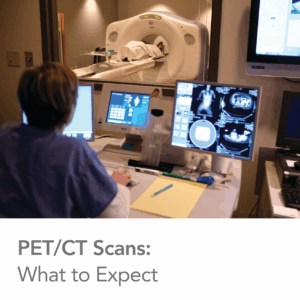
What to Expect During Your PET Scan Appointment
Many patients feel anxious before imaging appointments, especially if they are unfamiliar with the process. Knowing what to expect can help ease concerns and make the experience smoother.
Weather Operations Update – January 26, 2026
Due to weather conditions, PET Imaging locations will operate as follows:
Tulsa will be closed today (January 26, 2026) due to weather conditions.
The Woodlands and Sugar Land plan to open at 12:00 PM CST today.
We will continue to monitor conditions and provide updates if hours change. Please stay safe.
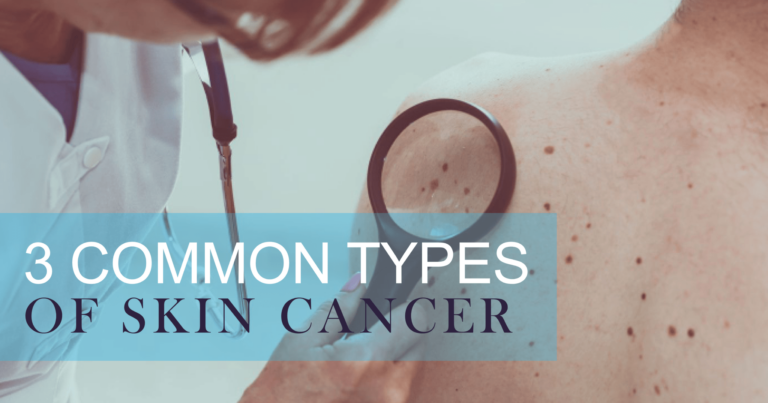
There are many types of skin cancer which can be more common in different areas of the body and may show up in a variety of forms. The three most common types of skin cancer are basal cell carcinoma, Merkel cell carcinoma, and squamous cell carcinoma.
Basal Cell Carcinoma
Basal cell carcinoma is typically found on the head or neck and may first appear as a pale patch of skin or a waxy translucent bump. A telling sign is a blood vessel or indentation in the center of the bump. If the cancer spots develop on the chest, it appears similar to a brown colored scar or flesh-colored lesion. Watch for bleeding or oozing, this is a sign it is more developed.
Squamous Cell Carcinoma
Squamous cell carcinoma can also take the form of a lump on the skin. These are firm lumps and are rough on the surface, unlike basal cells which have a smooth and pearly appearance. This cancer type usually develops on the head, neck, hands or arms, but also may develop in other areas such as genital region or in scars or skin sores.
Merkel Cell Carcinoma
Merkel cell carcinoma appear as raised, flesh-colored moles that grow quickly. These are small tumors and typically appear on areas of the skin that are most exposed to the sun such as the face, neck or scalp.
Typically, skin cancer develop on exposed areas of the skin, making early detection more possible. It’s important to regularly examine your skin to catch any unusual changes to an existing mole or a suspicious growth.
Although skin cancer can develop in a variety of locations, and appear in different forms, there are common symptoms to look for when checking your skin for suspicious spots no matter the location. Here are some common signs of skin cancer to keep in mind:
When performing a self-screen, remember to check less exposed areas of the body, as these can still develop skin cancer although less likely: underneath nails, on the palms of hands, soles of feet, genitals and the eyes.
If you notice any of these symptoms, talk to your primary care provider or dermatologist about your concerns.

Many patients feel anxious before imaging appointments, especially if they are unfamiliar with the process. Knowing what to expect can help ease concerns and make the experience smoother.

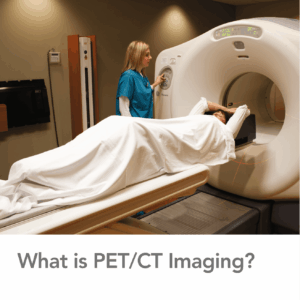
Medical imaging plays a critical role in diagnosis and treatment planning, but not all scans provide the same information. CT and MRI scans focus on the structure of the body, while PET imaging shows how tissues and organs are functioning at a cellular level.

When your doctor orders a PET scan, it’s natural to have questions. PET imaging plays an important role in helping your care team better understand what’s happening inside your body—so they can make informed decisions about your care.

Many patients feel anxious before imaging appointments, especially if they are unfamiliar with the process. Knowing what to expect can help ease concerns and make the experience smoother.

Medical imaging plays a critical role in diagnosis and treatment planning, but not all scans provide the same information. CT and MRI scans focus on the structure of the body, while PET imaging shows how tissues and organs are functioning at a cellular level.

When your doctor orders a PET scan, it’s natural to have questions. PET imaging plays an important role in helping your care team better understand what’s happening inside your body—so they can make informed decisions about your care.

Pancreatic cancer has long been one of the most challenging cancers to treat, but advances in research, treatment, and advocacy are providing new hope. This Pancreatic Cancer Awareness Month, let’s focus on the importance of innovative treatment options and how we can support ongoing research for better patient outcomes.