Holiday Hours

Weather Operations Update – January 26, 2026

Due to weather conditions, PET Imaging locations will operate as follows:

Tulsa will be closed today (January 26, 2026) due to weather conditions.

The Woodlands and Sugar Land plan to open at 12:00 PM CST today.

We will continue to monitor conditions and provide updates if hours change. Please stay safe.

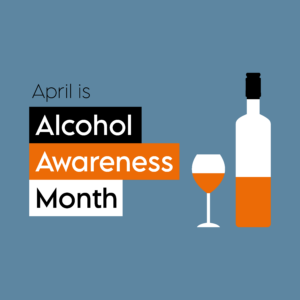
Alcohol Can Cause At Least 7 Types of Cancer

alchohol awareness

Alcohol, often celebrated in various cultures, is also associated with increased risks of several cancers. As we observe Alcohol Awareness Month, it’s crucial to highlight cancers linked to alcohol consumption, emphasizing the importance of moderation and informed decision-making:

  1. Breast Cancer: Even moderate alcohol intake has been consistently linked to a higher risk of breast cancer among women. Understanding this connection is essential for women of all ages and backgrounds.
  2. Liver Cancer: Chronic alcohol abuse is a well-established risk factor for liver cancer. Over time, prolonged alcohol consumption can lead to liver cirrhosis, which significantly increases the likelihood of developing liver cancer.
  3. Colorectal Cancer: Studies have shown a significant association between alcohol consumption and an increased risk of colorectal cancer. Heavy drinking amplifies this risk, underscoring the importance of moderating alcohol intake to mitigate potential health hazards.
  4. Head and Neck Cancers: Alcohol consumption, particularly when combined with tobacco use, substantially raises the risk of cancers affecting the head and neck region, including the mouth, throat, and esophagus. This synergistic effect highlights the necessity of addressing both alcohol and tobacco consumption for overall health.
  5. Esophageal Cancer: Alcohol consumption is a major risk factor for esophageal cancer, particularly squamous cell carcinoma. The repeated exposure of the esophageal lining to alcohol and its metabolites contributes to the development of cancerous lesions over time, emphasizing the importance of moderation and awareness of risks.
  6. Stomach Cancer: Although the exact mechanisms are still under investigation, studies suggest a potential link between alcohol consumption and stomach cancer. Heavy alcohol intake may heighten the risk of developing this malignancy, adding to the array of health concerns associated with excessive drinking.
  7. Pancreatic Cancer: Alcohol consumption has long been recognized as a risk factor for pancreatic cancer. The pancreas is highly sensitive to the carcinogens produced during alcohol metabolism, rendering individuals who consume alcohol regularly more susceptible to developing this aggressive form of cancer.

During Alcohol Awareness Month, it’s vital to recognize how alcohol consumption impacts cancer risk. By spotlighting these seven cancers associated with alcohol and advocating for moderation, we empower individuals to make informed choices, leading to healthier lives and communities.

Like What You See? Share With A Friend!

Latest Doctor's Blog Articles

pet imaging color logo

Why PET Imaging Matters in Your Care

When your doctor orders a PET scan, it’s natural to have questions. PET imaging plays an important role in helping your care team better understand what’s happening inside your body—so they can make informed decisions about your care.

Read More »
pet imaging color logo

Why PET Imaging Matters in Your Care

When your doctor orders a PET scan, it’s natural to have questions. PET imaging plays an important role in helping your care team better understand what’s happening inside your body—so they can make informed decisions about your care.

Read More »
pancreatic cancer facts

Hope and Progress in Pancreatic Cancer Treatment and Research

Pancreatic cancer has long been one of the most challenging cancers to treat, but advances in research, treatment, and advocacy are providing new hope. This Pancreatic Cancer Awareness Month, let’s focus on the importance of innovative treatment options and how we can support ongoing research for better patient outcomes.

Read More »