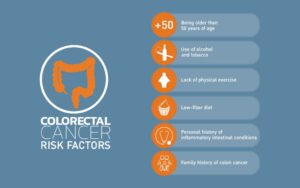
Colorectal Cancer: Causes & Risk Factors
Colorectal cancer, is influenced by genetic, lifestyle, and environmental factors. Understanding its causes and risk factors is key for prevention and early detection.

Colorectal cancer, is influenced by genetic, lifestyle, and environmental factors. Understanding its causes and risk factors is key for prevention and early detection.
Colorectal cancer, often referred to as bowel cancer, colon cancer, or rectal cancer, is a type of cancer that affects the colon or rectum. It’s one of the most common forms of cancer worldwide, but with early detection and appropriate treatment, it is highly treatable.

Cancer is a disease that affects millions of people worldwide. Early detection of cancer is crucial for successful treatment and improved patient outcomes. Positron Emission Tomography (PET) imaging has emerged as a valuable tool in the early detection, staging, and monitoring of various types of cancer.

Healthy lifestyle practices can have a significant impact in reducing the risk of cancer. Incorporating healthy habits like focused nutrition, physical activity, staying away from tobacco, and sun safety, you can prevent various types of cancer.

As we commemorate National Cancer Prevention Month, it is crucial to recognize the importance of early detection and screening in the ongoing battle against cancer. Regular screenings for different cancer types can greatly impact timely intervention and treatment outcomes.
As we honor National Cancer Prevention Month, it is important to know the factors that can contribute to the development of cancer. Lifestyle choices, environmental influences, genetics, and other variables can increase your risk of cancer. Understanding risk factors is critical to help prevent cancer.
Prevention is critical when it comes to Cervical cancer. By adopting healthy lifestyle choices and taking advantage of available vaccinations, women can significantly reduce their risk of developing this disease. In this blog post, we will explore the importance of lifestyle choices and vaccination in cervical cancer prevention.
January is Cervical Cancer Awareness Month. Cervical cancer screening is a vital tool in the early detection and prevention of cervical cancer. Regular screenings can identify abnormalities in the cervix before they develop into cancerous cells. In this blog post, we will discuss the importance of cervical cancer screening and the guidelines to follow.
Medical imaging plays a crucial role in the diagnosis and management of various health conditions, and the Cerianna PET/CT scan is a notable advancement in this field. If you’re considering or have been recommended for a Cerianna PET/CT scan, you likely have questions. We address three key questions about Cerianna PET/CT scans to provide clarity and ease any concerns you may have.

An over-sedentary lifestyle such as sitting, reclining, or lying down for extended periods of time (other than sleeping) increases the risk of developing chronic conditions and can lead to premature death. According to the National Cancer Institute, physical activity reduces the risk of cancer in these ways: