What to Expect
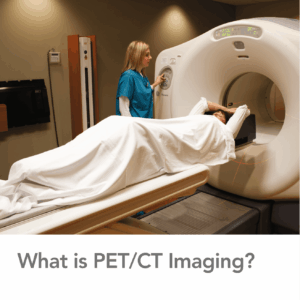
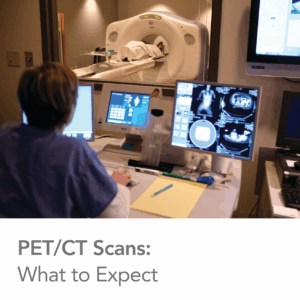
Learn what to expect before, during, and after a PET/CT scan, how to prepare, and why PET imaging is an essential diagnostic tool.
Weather Operations Update – January 26, 2026
Due to weather conditions, PET Imaging locations will operate as follows:
Tulsa will be closed today (January 26, 2026) due to weather conditions.
The Woodlands and Sugar Land plan to open at 12:00 PM CST today.
We will continue to monitor conditions and provide updates if hours change. Please stay safe.
Causes:
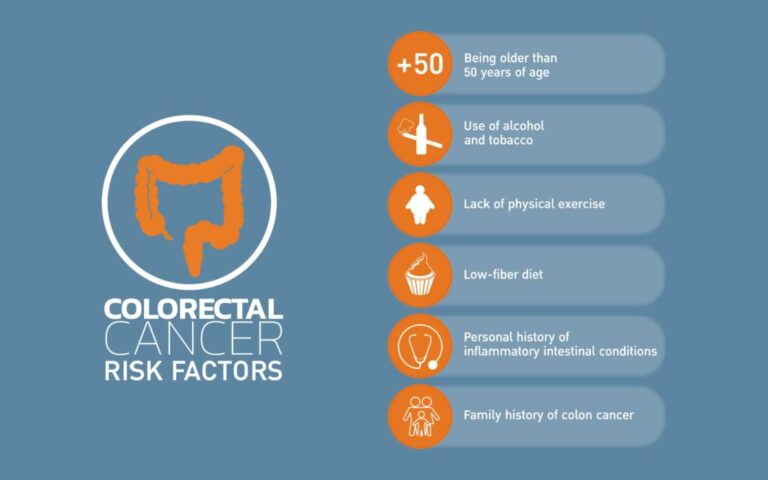
Genetic predisposition: Certain genetic mutations like FAP or Lynch syndrome increase susceptibility.
Inflammation: Chronic conditions like IBD raise the risk of colorectal disease.
Diet and lifestyle: High red meat consumption, low fiber intake, smoking, and obesity are associated with higher risks.
Risk Factors:
Age: Risk increases after 50, making regular screenings vital.
Family history: Those with relatives with colorectal disease are at higher risk.
Personal history: Previous diagnoses of colorectal cancer or polyps increase susceptibility.
Lifestyle: Unhealthy habits like poor diet and lack of exercise elevate risk.
Medical conditions: Diabetes, obesity, and chronic inflammatory conditions increase susceptibility.
Promoting Colorectal Health:
Adopt a healthy lifestyle: Balanced diet, exercise, no smoking, limited alcohol.
Get screened: Regular screenings, starting at 45 or earlier for high-risk individuals, aid early detection.
Know family history: Discuss family history with a healthcare provider for tailored advice.
Be vigilant: Pay attention to symptoms like changes in bowel habits and seek medical attention promptly.
By understanding causes, risk factors, and promoting healthy habits, individuals can lower their risk of colorectal disease and prioritize their well-being. Let’s spread awareness and encourage proactive health measures!

Learn what to expect before, during, and after a PET/CT scan, how to prepare, and why PET imaging is an essential diagnostic tool.

Looking for an affordable PET scan? PET Imaging offers high‑quality PET/CT scans, fast scheduling, and patient‑focused outpatient care. Learn why patients choose PET Imaging.

Many patients feel anxious before imaging appointments, especially if they are unfamiliar with the process. Knowing what to expect can help ease concerns and make the experience smoother.

Learn what to expect before, during, and after a PET/CT scan, how to prepare, and why PET imaging is an essential diagnostic tool.

Looking for an affordable PET scan? PET Imaging offers high‑quality PET/CT scans, fast scheduling, and patient‑focused outpatient care. Learn why patients choose PET Imaging.

Many patients feel anxious before imaging appointments, especially if they are unfamiliar with the process. Knowing what to expect can help ease concerns and make the experience smoother.

Medical imaging plays a critical role in diagnosis and treatment planning, but not all scans provide the same information. CT and MRI scans focus on the structure of the body, while PET imaging shows how tissues and organs are functioning at a cellular level.