
What to Expect During Your PET Scan Appointment
Many patients feel anxious before imaging appointments, especially if they are unfamiliar with the process. Knowing what to expect can help ease concerns and make the experience smoother.

Weather Operations Update – January 26, 2026
Due to weather conditions, PET Imaging locations will operate as follows:
Tulsa will be closed today (January 26, 2026) due to weather conditions.
The Woodlands and Sugar Land plan to open at 12:00 PM CST today.
We will continue to monitor conditions and provide updates if hours change. Please stay safe.
One of the best things you can do for your health is to maintain a healthy and balanced diet. Eating a diet rich in fruits, vegetables, and whole grains can help provide the nutrients and antioxidants your body needs to fight cancer. Additionally, reducing your consumption of processed foods, red meat, and sugary drinks can help lower your cancer risk.
Exercise is not only beneficial for maintaining a healthy weight, but it can also help reduce the risk of cancer. Regular exercise has been linked to a lower risk of breast, colon, and endometrial cancers. Aim for at least 150 minutes of moderate-intensity exercise per week, such as brisk walking, cycling, or swimming.
Excessive alcohol consumption has been linked to an increased risk of several cancers, including breast, liver, and colorectal cancers. It is recommended that women limit their alcohol consumption to one drink per day or less.
Smoking is a leading cause of cancer, including lung, throat, and bladder cancers. Quitting smoking is one of the most effective ways to reduce your cancer risk, and there are many resources available to help you quit, such as nicotine replacement therapy and support groups.
Excessive sun exposure can increase the risk of skin cancer, including melanoma, which is the deadliest form of skin cancer. To reduce your risk, avoid tanning beds, wear protective clothing, and use a broad-spectrum sunscreen with an SPF of 30 or higher.
Regular cancer screenings can help detect cancer early when it is most treatable. Talk to your healthcare provider about the recommended cancer screenings for your age and risk factors. Examples of screening tests include mammograms for breast cancer, Pap tests for cervical cancer, and colonoscopies for colon cancer.
Chronic stress can weaken the immune system and increase inflammation in the body, both of which can contribute to cancer. Practicing stress-reducing activities such as yoga, meditation, or mindfulness can help reduce stress and promote overall health.
Start now! Make plans to incorporate these practices into your daily life. You can take control of your health and reduce your risk of cancer.

Many patients feel anxious before imaging appointments, especially if they are unfamiliar with the process. Knowing what to expect can help ease concerns and make the experience smoother.

Medical imaging plays a critical role in diagnosis and treatment planning, but not all scans provide the same information. CT and MRI scans focus on the structure of the body, while PET imaging shows how tissues and organs are functioning at a cellular level.

When your doctor orders a PET scan, it’s natural to have questions. PET imaging plays an important role in helping your care team better understand what’s happening inside your body—so they can make informed decisions about your care.
Many patients feel anxious before imaging appointments, especially if they are unfamiliar with the process. Knowing what to expect can help ease concerns and make the experience smoother.

Medical imaging plays a critical role in diagnosis and treatment planning, but not all scans provide the same information. CT and MRI scans focus on the structure of the body, while PET imaging shows how tissues and organs are functioning at a cellular level.

When your doctor orders a PET scan, it’s natural to have questions. PET imaging plays an important role in helping your care team better understand what’s happening inside your body—so they can make informed decisions about your care.

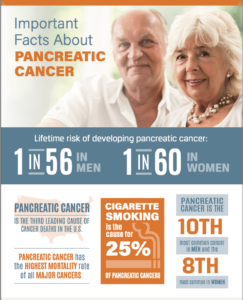
Pancreatic cancer has long been one of the most challenging cancers to treat, but advances in research, treatment, and advocacy are providing new hope. This Pancreatic Cancer Awareness Month, let’s focus on the importance of innovative treatment options and how we can support ongoing research for better patient outcomes.