
Holiday Hours

Weather Operations Update – January 26, 2026

Due to weather conditions, PET Imaging locations will operate as follows:

Tulsa will be closed today (January 26, 2026) due to weather conditions.

The Woodlands and Sugar Land plan to open at 12:00 PM CST today.

We will continue to monitor conditions and provide updates if hours change. Please stay safe.

Understanding Pancreatic Cancer

Understanding Pancreatic Cancer

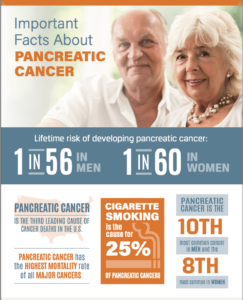
Although one of the deadliest forms of cancer, pancreatic cancer is also one of the most difficult cancers to detect in its early stages. Oftentimes, symptoms are not present until the cancer has become very large or spread to other organs. To prevent this disease, it’s important to understand how it develops and some of the risk factors of pancreatic cancer.

Understanding Pancreatic Cancer

Pancreatic cancer occurs when abnormal cells in the pancreas grow uncontrollably, forming tumors. The pancreas, a vital organ located behind the stomach, plays a key role in digestion and blood sugar regulation.

Recognizing the Signs and Symptoms:

While symptoms may vary, it’s essential to be aware of common signs that could indicate pancreatic cancer:

  • Jaundice: Yellowing of the skin and eyes.
  • Belly or Back Pain: Discomfort or pain in the abdomen, which may radiate to the back.
  • Unexplained Weight Loss: Significant, unexplained weight loss over a short period.
  • Changes in Stool: Light-colored, oily, or dark stools.
  • Loss of Appetite: A noticeable decrease in appetite and feelings of fullness.

Risk Factors

Certain factors increase the risk of developing pancreatic cancer, including:

  • Age: The risk increases with age, with most cases diagnosed after the age of 65.
  • Smoking: Smokers are at a higher risk than non-smokers.
  • Family History: A family history of pancreatic cancer or certain genetic syndromes can elevate the risk.
  • Diabetes: People with long-standing diabetes have an increased risk.
  • Chronic Pancreatitis: Ongoing inflammation of the pancreas can raise the risk.

Early Detection

Common forms of early testing include genetic testing and imaging.

Genetic Testing: Identifying genetic mutations can help assess the risk of developing pancreatic cancer, especially for those with a family history.

Imaging Techniques: Advanced imaging methods, such as endoscopic ultrasound (EUS) and magnetic resonance imaging (MRI), provide detailed images of the pancreas, aiding in early detection.

While detecting pancreatic cancer early remains challenging, ongoing research and advancements in medical technology offer hope for improving early detection rates. Awareness of the signs, understanding risk factors, and regular health check-ups are vital in the fight against this aggressive disease. By staying informed and proactive, individuals can take charge of their health and contribute to the ongoing efforts to detect pancreatic cancer at an early, more treatable stage.

Like What You See? Share With A Friend!

Latest Doctor's Blog Articles

pet imaging color logo

Why PET Imaging Matters in Your Care

When your doctor orders a PET scan, it’s natural to have questions. PET imaging plays an important role in helping your care team better understand what’s happening inside your body—so they can make informed decisions about your care.
Read More »
pet imaging color logo

Why PET Imaging Matters in Your Care

When your doctor orders a PET scan, it’s natural to have questions. PET imaging plays an important role in helping your care team better understand what’s happening inside your body—so they can make informed decisions about your care.

Read More »
pancreatic cancer facts

Hope and Progress in Pancreatic Cancer Treatment and Research

Pancreatic cancer has long been one of the most challenging cancers to treat, but advances in research, treatment, and advocacy are providing new hope. This Pancreatic Cancer Awareness Month, let’s focus on the importance of innovative treatment options and how we can support ongoing research for better patient outcomes.

Read More »