If your physician has ordered a PET/CT scan, you may have questions about what the test involves and how to prepare. PET/CT imaging is a powerful diagnostic tool that helps physicians detect disease earlier, evaluate treatment response, and guide care decisions with greater precision. Understanding what to expect can help you feel more prepared and confident on the day of your exam.
Before Your PET/CT Scan
Prior to your scan, you’ll receive preparation instructions that may vary depending on the type of PET study being performed. Most PET/CT exams require fasting for several hours beforehand. This allows the radiotracer used during the scan to be absorbed more effectively, improving image quality.
You may be asked to:
- Avoid food and sugary drinks for a set period
- Drink water before arrival
- Limit strenuous physical activity the day before your scan
- Inform the imaging team about diabetes, pregnancy, medications, or recent imaging studies
Comfortable clothing without metal is recommended, and you may be asked to change into a gown to ensure clear imaging.
During the PET/CT Scan
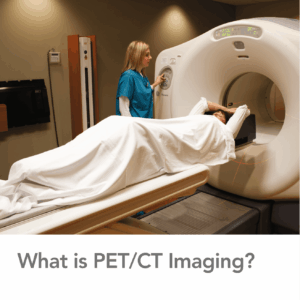
A PET/CT scan combines two imaging technologies into one exam:
- PET (Positron Emission Tomography) shows how tissues and organs are functioning
- CT (Computed Tomography) provides detailed anatomical images
At the start of the exam, a small amount of radiotracer is injected into a vein. This tracer travels through the body and accumulates in areas of higher metabolic activity. After the injection, there is a waiting period—usually about 45–60 minutes—so the tracer can distribute properly.
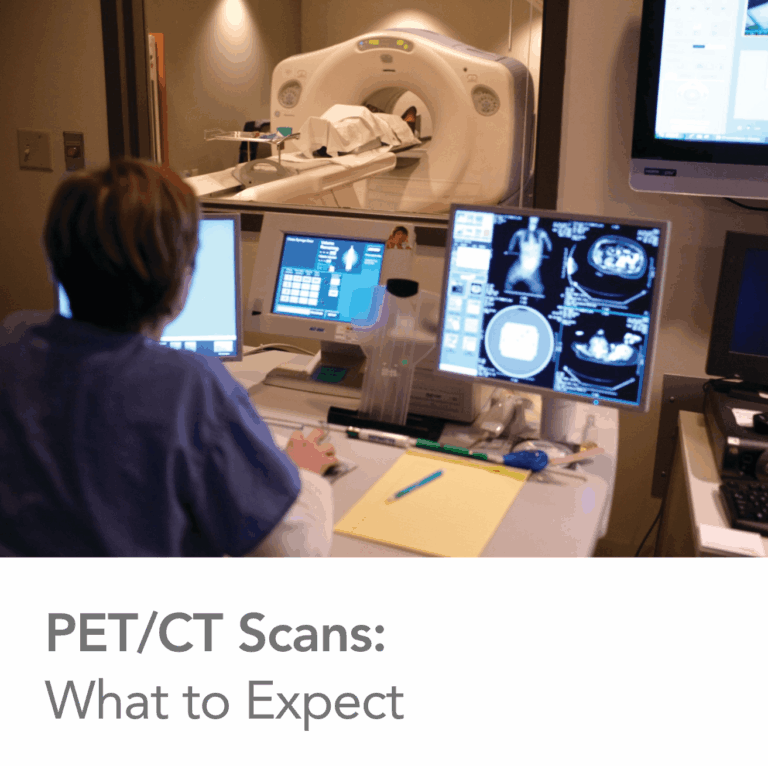
The actual scan typically lasts 20–30 minutes. You’ll lie on a padded table that moves slowly through the imaging scanner. The procedure is painless, and the imaging team will be able to see and hear you throughout the exam.
After the Scan
Following your PET/CT scan, you can usually return to normal activities right away. Drinking plenty of fluids helps flush the radiotracer from your body. The tracer decays naturally and leaves the body quickly.
A specialized physician interprets the images and sends the results to your referring provider, who will discuss findings and next steps with you.
Why PET/CT Imaging Matters
PET/CT scans are commonly used in oncology, cardiology, and neurology. They are especially valuable for detecting cancer, staging disease, monitoring treatment effectiveness, and identifying recurrence.
By combining functional and anatomical imaging in a single exam, PET/CT scans provide detailed insights that may not be available with other imaging methods alone.