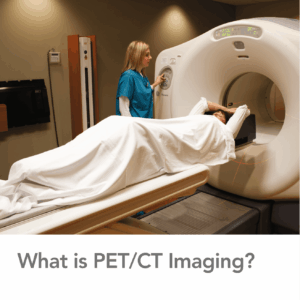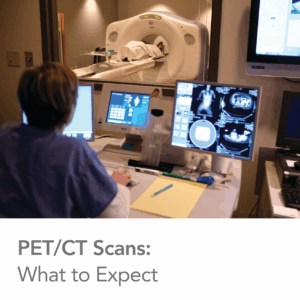
What to Expect During Your PET Scan Appointment
Many patients feel anxious before imaging appointments, especially if they are unfamiliar with the process. Knowing what to expect can help ease concerns and make the experience smoother.
Weather Operations Update – January 26, 2026
Due to weather conditions, PET Imaging locations will operate as follows:
Tulsa will be closed today (January 26, 2026) due to weather conditions.
The Woodlands and Sugar Land plan to open at 12:00 PM CST today.
We will continue to monitor conditions and provide updates if hours change. Please stay safe.
Bone cancer can be found in any bone of the body and has the potential to spread. Typically, bone cancer develops in the pelvis or the long bones, such as the legs and arms. Although it is less common than other cancer types, it’s good to be proactive and understand the different kinds of bone cancer, who’s at risk and the symptoms associated.
Primary bone cancer can begin in any part of the bone structure including the bone itself, the muscle, tissues and blood vessels.
There are many types of primary bone cancer. Some are rarer than others, the most common types are as follows:
Bone metastasis differs from primary bone cancer because it spreads into the bone from an advanced cancer such as prostate cancer or breast cancer. This is more common than primary bone cancer. When bone metastasis occurs, the cancer cells will need the same treatment as the advanced cancer the metastasis stems from.
Because there are many different types of primary bone cancers, the symptoms can differ depending on the type, location and the extent of the cancer. Common symptoms associated with most types of bone cancer are pain, a lump or swelling, and fractures.
Similar to other cancer types, bone cancer can cause weight loss or fatigue. If the cancer has spread beyond the bone, you might experience symptoms specific to the infected part of the body. For example, if bone cancer spreads to the lungs, you might experience difficulty breathing.
Symptoms are typically associated with other conditions, such as injuries or arthritis. If you notice persistent symptoms related to bone cancer or metastasis, see a doctor to catch tumors early.

Many patients feel anxious before imaging appointments, especially if they are unfamiliar with the process. Knowing what to expect can help ease concerns and make the experience smoother.

Medical imaging plays a critical role in diagnosis and treatment planning, but not all scans provide the same information. CT and MRI scans focus on the structure of the body, while PET imaging shows how tissues and organs are functioning at a cellular level.

When your doctor orders a PET scan, it’s natural to have questions. PET imaging plays an important role in helping your care team better understand what’s happening inside your body—so they can make informed decisions about your care.

Many patients feel anxious before imaging appointments, especially if they are unfamiliar with the process. Knowing what to expect can help ease concerns and make the experience smoother.

Medical imaging plays a critical role in diagnosis and treatment planning, but not all scans provide the same information. CT and MRI scans focus on the structure of the body, while PET imaging shows how tissues and organs are functioning at a cellular level.

When your doctor orders a PET scan, it’s natural to have questions. PET imaging plays an important role in helping your care team better understand what’s happening inside your body—so they can make informed decisions about your care.

Pancreatic cancer has long been one of the most challenging cancers to treat, but advances in research, treatment, and advocacy are providing new hope. This Pancreatic Cancer Awareness Month, let’s focus on the importance of innovative treatment options and how we can support ongoing research for better patient outcomes.