What to Expect During Your PET Scan Appointment
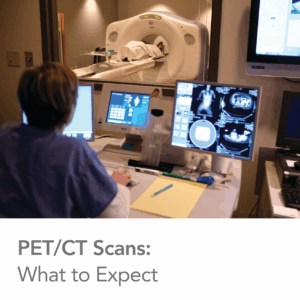
Many patients feel anxious before imaging appointments, especially if they are unfamiliar with the process. Knowing what to expect can help ease concerns and make the experience smoother.
Weather Operations Update – January 26, 2026
Due to weather conditions, PET Imaging locations will operate as follows:
Tulsa will be closed today (January 26, 2026) due to weather conditions.
The Woodlands and Sugar Land plan to open at 12:00 PM CST today.
We will continue to monitor conditions and provide updates if hours change. Please stay safe.
Adjusting to Life After Treatment:
Completing colorectal cancer treatment marks the beginning of a new chapter, but it comes with its own set of adjustments. Managing long-term side effects, such as fatigue, bowel changes, and neuropathy, may require ongoing attention. Establishing healthy lifestyle habits, including a balanced diet and regular exercise, can aid in recovery and promote overall well-being.
Emotional Well-Being:
The emotional impact of a cancer diagnosis and treatment journey can linger long after treatment ends. Many survivors experience feelings of anxiety, depression, or fear of cancer recurrence. It’s essential to address these emotions and seek support from healthcare professionals, counselors, or support groups to cope effectively.
Survivorship Strategies:
Developing a survivorship care plan with your healthcare team is crucial for ongoing monitoring and support. This plan typically outlines follow-up appointments, screening schedules, and recommendations for managing late or long-term effects of treatment. Additionally, rehabilitation services, such as physical therapy or occupational therapy, can help survivors regain strength and function.
Community Support and Resources:
Patient advocacy organizations and support groups play a vital role in providing a sense of community and understanding for colorectal cancer survivors. Connecting with others who have shared similar experiences can offer comfort and practical advice. Local resources, such as cancer support centers or wellness programs, may also provide additional support services tailored to survivors’ needs.
Empowering Survivorship:
By sharing insights and resources for life after colorectal cancer treatment, we aim to empower survivors to embrace their journey and thrive beyond cancer. Survivorship is about resilience, adaptation, and finding joy in life’s moments. Remember, you are not alone, and support is available every step of the way.
Together, we can make a meaningful difference in the lives of those affected by this disease.

Many patients feel anxious before imaging appointments, especially if they are unfamiliar with the process. Knowing what to expect can help ease concerns and make the experience smoother.

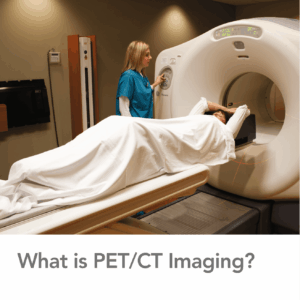
Medical imaging plays a critical role in diagnosis and treatment planning, but not all scans provide the same information. CT and MRI scans focus on the structure of the body, while PET imaging shows how tissues and organs are functioning at a cellular level.

When your doctor orders a PET scan, it’s natural to have questions. PET imaging plays an important role in helping your care team better understand what’s happening inside your body—so they can make informed decisions about your care.

Many patients feel anxious before imaging appointments, especially if they are unfamiliar with the process. Knowing what to expect can help ease concerns and make the experience smoother.

Medical imaging plays a critical role in diagnosis and treatment planning, but not all scans provide the same information. CT and MRI scans focus on the structure of the body, while PET imaging shows how tissues and organs are functioning at a cellular level.

When your doctor orders a PET scan, it’s natural to have questions. PET imaging plays an important role in helping your care team better understand what’s happening inside your body—so they can make informed decisions about your care.

Pancreatic cancer has long been one of the most challenging cancers to treat, but advances in research, treatment, and advocacy are providing new hope. This Pancreatic Cancer Awareness Month, let’s focus on the importance of innovative treatment options and how we can support ongoing research for better patient outcomes.