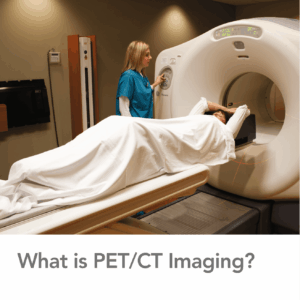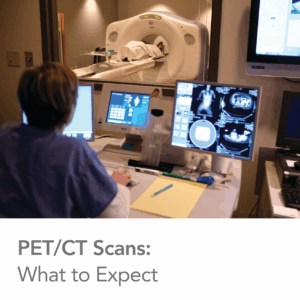
What to Expect During Your PET Scan Appointment
Many patients feel anxious before imaging appointments, especially if they are unfamiliar with the process. Knowing what to expect can help ease concerns and make the experience smoother.
Weather Operations Update – January 26, 2026
Due to weather conditions, PET Imaging locations will operate as follows:
Tulsa will be closed today (January 26, 2026) due to weather conditions.
The Woodlands and Sugar Land plan to open at 12:00 PM CST today.
We will continue to monitor conditions and provide updates if hours change. Please stay safe.
Head and neck cancers encompass a diverse range of malignancies, each with its own unique characteristics and challenges. These cancers can arise from the mucosal surfaces lining the oral cavity, pharynx, and larynx, as well as from the salivary glands, sinuses, and nasal cavity. While some head and neck cancers are relatively rare, others, such as squamous cell carcinoma, are more common.
Risk Factors: Several factors increase the risk of developing head and neck cancer, including:
By understanding the basics of head and neck cancer and the risk factors associated with it, individuals can take proactive steps to reduce their risk and prioritize their health.

Many patients feel anxious before imaging appointments, especially if they are unfamiliar with the process. Knowing what to expect can help ease concerns and make the experience smoother.

Medical imaging plays a critical role in diagnosis and treatment planning, but not all scans provide the same information. CT and MRI scans focus on the structure of the body, while PET imaging shows how tissues and organs are functioning at a cellular level.

When your doctor orders a PET scan, it’s natural to have questions. PET imaging plays an important role in helping your care team better understand what’s happening inside your body—so they can make informed decisions about your care.

Many patients feel anxious before imaging appointments, especially if they are unfamiliar with the process. Knowing what to expect can help ease concerns and make the experience smoother.

Medical imaging plays a critical role in diagnosis and treatment planning, but not all scans provide the same information. CT and MRI scans focus on the structure of the body, while PET imaging shows how tissues and organs are functioning at a cellular level.

When your doctor orders a PET scan, it’s natural to have questions. PET imaging plays an important role in helping your care team better understand what’s happening inside your body—so they can make informed decisions about your care.

Pancreatic cancer has long been one of the most challenging cancers to treat, but advances in research, treatment, and advocacy are providing new hope. This Pancreatic Cancer Awareness Month, let’s focus on the importance of innovative treatment options and how we can support ongoing research for better patient outcomes.