PET Imaging provides high‑quality PET/CT scans in a comfortable outpatient setting — with faster scheduling, lower costs than hospitals, and a strong focus on patient care.
What Is a PET Scan and Why Is It Important?
A PET scan (Positron Emission Tomography) shows how organs and tissues function, not just what they look like. PET scans are commonly used to:
- Monitor treatment response
- Evaluate brain conditions such as Alzheimer’s disease
- Assess certain heart conditions
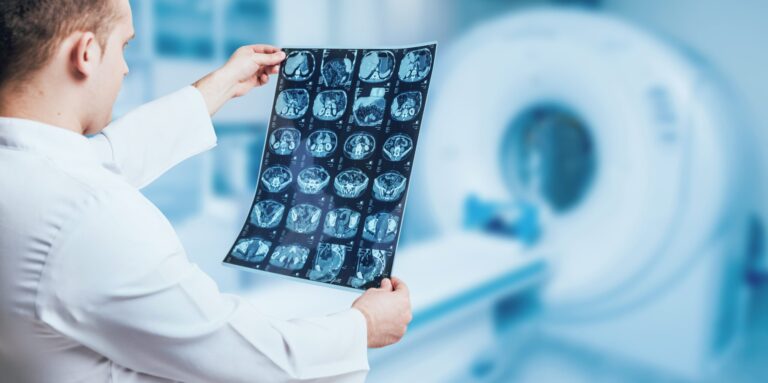
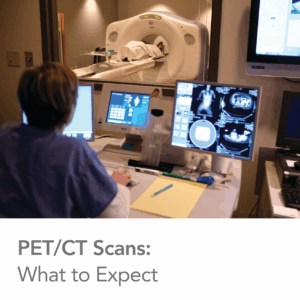
PET/CT technology combines functional and anatomical imaging, helping physicians make more accurate and timely decisions about your care.
Affordable PET Scans Without Compromising Quality
One of the biggest concerns patients have is cost. PET Imaging centers typically offer significantly lower prices than hospital‑based imaging, helping reduce deductibles and out‑of‑pocket expenses.
Because PET Imaging operates as a specialized outpatient provider, patients receive the same advanced imaging technology — without paying hospital facility fees.
Key benefit: High‑quality PET scans at a lower overall cost.
Faster Appointments and Quicker Results
Waiting for answers can be stressful. PET Imaging prioritizes:
- Fast appointment availability
- Prompt reporting to your referring physician
This focus helps reduce delays in diagnosis and treatment planning, so you and your care team can move forward with confidence.
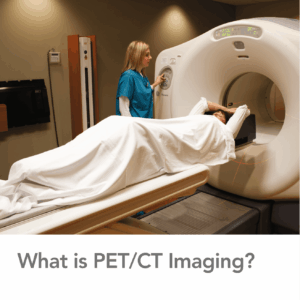
A Comfortable, Outpatient Imaging Experience
Hospitals can feel overwhelming. PET Imaging centers are designed to be calm, efficient, and patient‑friendly, offering:
- Dedicated outpatient locations
- Compassionate staff focused on your comfort
From check‑in to scan completion, the goal is to create a simple, stress‑free PET scan experience.
Advanced PET/CT Imaging for Specialized Care Needs
PET Imaging offers access to advanced tracers and specialized PET scans that support modern diagnosis and treatment planning, including:
- Oncology PET scans for cancer detection and monitoring
- Neurological PET scans, including beta‑amyloid imaging for Alzheimer’s disease evaluation
- Prostate cancer PET imaging using advanced tracers for earlier and more precise detection
These tools help physicians create more personalized and targeted care plans.
Trusted by Physicians. Focused on Patients.
Doctors trust PET Imaging for accurate imaging and reliable reporting. Patients choose PET Imaging because the experience is clearer, quicker, and more affordable.
The result is a seamless process that supports both medical decision‑making and peace of mind for patients and families alike.
Schedule Your PET Scan With Confidence
If you’ve been referred for a PET scan, choosing PET Imaging means choosing:
- High‑quality PET/CT technology
- A patient‑centered outpatient experience
When answers matter, PET Imaging helps you get them sooner — with clarity and care.