
What to Expect During Your PET Scan Appointment
Many patients feel anxious before imaging appointments, especially if they are unfamiliar with the process. Knowing what to expect can help ease concerns and make the experience smoother.

Weather Operations Update – January 26, 2026
Due to weather conditions, PET Imaging locations will operate as follows:
Tulsa will be closed today (January 26, 2026) due to weather conditions.
The Woodlands and Sugar Land plan to open at 12:00 PM CST today.
We will continue to monitor conditions and provide updates if hours change. Please stay safe.
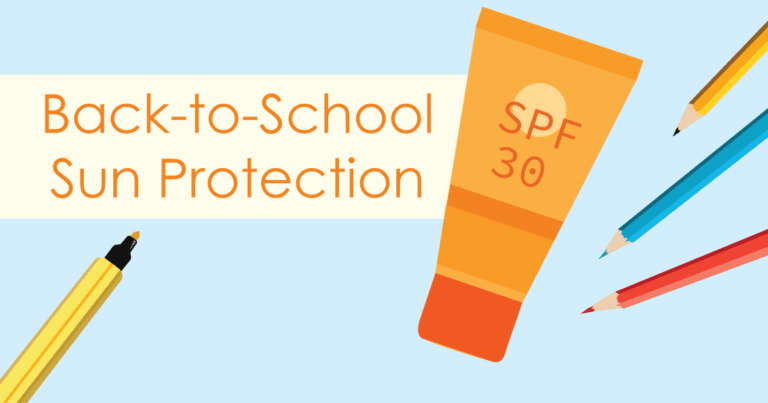
But don’t put the sunscreen away just yet. Studies show that children sustain significant amounts of sun exposure while at school. About 23 percent of lifetime UV exposure occurs before the age of 18. This exposure can have far-reaching effects. Because sun damage is cumulative, too much sun exposure during childhood can contribute to a higher risk of skin cancer later in life.
Consider the following tips from the Skin Cancer Foundation before your kids return to school.
Ask the school administration, teacher, or coaches about the planned breaks while the class is outside. UV rays are most intense from 10 a.m. to 4 p.m. Typically, students have outdoor recess or after-school sports between these peak sun hours. Ask if there are accommodations for shaded break areas. Covered areas like gazebos, roof structures, awnings, shade sails, and natural shade, such as thickly leaved trees, are some examples of shaded rest areas.
Clothing choice is a basic form of sun protection. Dressing in densely woven and bright-colored clothes is the single most effective form of sun protection for the body. Send your children to school in densely woven and bright- or dark-colored fabrics. The more skin you cover, the better, so choose long sleeves shirts and pants whenever possible.
Send children to school with a wide-brimmed hat or baseball cap and UV-blocking sunglasses to protect their face, neck, and eyes.
Make sunscreen part of the morning routine. At least 30 minutes before children go outside, parents should apply a broad spectrum (UVA/UVB) sunscreen with an SPF 30 or higher to their skin. Older children should learn to apply sunscreen themselves and make it a routine habit. To remain effective, sunscreen should be reapplied every two hours or immediately after swimming or sweating. At a minimum, remind children to reapply sunscreen before after-school sports and outdoor activities. One ounce of sunscreen (about the size of a golf ball) should be applied to the entire body. Remind children to cover those easy-to-miss spots, such as the back of the ears and neck, as well as the tops of the feet and hands.

Many patients feel anxious before imaging appointments, especially if they are unfamiliar with the process. Knowing what to expect can help ease concerns and make the experience smoother.

Medical imaging plays a critical role in diagnosis and treatment planning, but not all scans provide the same information. CT and MRI scans focus on the structure of the body, while PET imaging shows how tissues and organs are functioning at a cellular level.

When your doctor orders a PET scan, it’s natural to have questions. PET imaging plays an important role in helping your care team better understand what’s happening inside your body—so they can make informed decisions about your care.
Many patients feel anxious before imaging appointments, especially if they are unfamiliar with the process. Knowing what to expect can help ease concerns and make the experience smoother.

Medical imaging plays a critical role in diagnosis and treatment planning, but not all scans provide the same information. CT and MRI scans focus on the structure of the body, while PET imaging shows how tissues and organs are functioning at a cellular level.

When your doctor orders a PET scan, it’s natural to have questions. PET imaging plays an important role in helping your care team better understand what’s happening inside your body—so they can make informed decisions about your care.

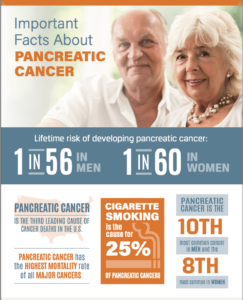
Pancreatic cancer has long been one of the most challenging cancers to treat, but advances in research, treatment, and advocacy are providing new hope. This Pancreatic Cancer Awareness Month, let’s focus on the importance of innovative treatment options and how we can support ongoing research for better patient outcomes.