What to Expect
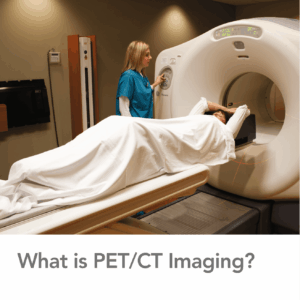
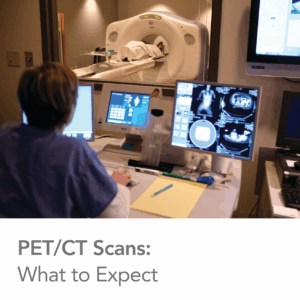
Learn what to expect before, during, and after a PET/CT scan, how to prepare, and why PET imaging is an essential diagnostic tool.

Weather Operations Update – January 26, 2026
Due to weather conditions, PET Imaging locations will operate as follows:
Tulsa will be closed today (January 26, 2026) due to weather conditions.
The Woodlands and Sugar Land plan to open at 12:00 PM CST today.
We will continue to monitor conditions and provide updates if hours change. Please stay safe.
According to the Foundation of Women’s Cancer, ovarian cancer is the seventh most common cancer type among women worldwide.
Ovarian cancer is composed of three major categories: epithelial ovarian cancer, germ cell cancer, and stromal cell cancer.
Epithelial Ovarian Cancers
Epithelial ovarian cancers are the most common of ovarian cancers, accounting for 85% to 89%. They rank fourth in cancer deaths among women in the U.S. and cause more deaths than any other cancer of the female reproductive system.
Epithelial ovarian cancers form in the surface cells of the ovary, or from the fallopian tube surface cells. They can be a part of a hereditary syndrome such as those with BRCA1 and/or BRCA2 gene mutations. Fallopian tube and primary peritoneal cancers are also epithelial cancers and have some of the same behaviors, risks and treatment approaches.
Germ Cell Cancers
Germ cell cancers account for nearly 5% of ovarian cancers, making it one of the less common forms of ovarian cancer than epithelial cancer.
Germ cell cancers start in the cells that develop into follicles or eggs in the ovaries. Typically, this cancer appears in adolescents and young women and often affects only one ovary.
Stromal Cell Cancers
Stromal cell cancers are another rare ovarian cancer. They start in the cells that produce female hormones and hold the ovarian tissues together. Similarly, there are several types of stromal cell cancers and presentation and treatment can vary.
Symptoms of ovarian cancer can include:
These symptoms include:
• Bloating
• Pelvic or abdominal pain
• Difficulty eating or feeling full quickly
• Urinary symptoms (urgency or frequency)
While these may be common symptoms many women without cancer may have occasionally, patients with ovarian cancer report that symptoms are persistent and often progressive, and represent a change from normal for their bodies.

Learn what to expect before, during, and after a PET/CT scan, how to prepare, and why PET imaging is an essential diagnostic tool.

Looking for an affordable PET scan? PET Imaging offers high‑quality PET/CT scans, fast scheduling, and patient‑focused outpatient care. Learn why patients choose PET Imaging.

Many patients feel anxious before imaging appointments, especially if they are unfamiliar with the process. Knowing what to expect can help ease concerns and make the experience smoother.

Learn what to expect before, during, and after a PET/CT scan, how to prepare, and why PET imaging is an essential diagnostic tool.

Looking for an affordable PET scan? PET Imaging offers high‑quality PET/CT scans, fast scheduling, and patient‑focused outpatient care. Learn why patients choose PET Imaging.

Many patients feel anxious before imaging appointments, especially if they are unfamiliar with the process. Knowing what to expect can help ease concerns and make the experience smoother.

Medical imaging plays a critical role in diagnosis and treatment planning, but not all scans provide the same information. CT and MRI scans focus on the structure of the body, while PET imaging shows how tissues and organs are functioning at a cellular level.