When it comes to prostate cancer, early detection is crucial for effective treatment. One of the most advanced tools available for identifying prostate cancer is the PET/CT scan with a PSMA tracer. This innovative imaging technique is making a significant difference in how prostate cancer is diagnosed and managed.
How Does a PSMA PET/CT Scan Work?
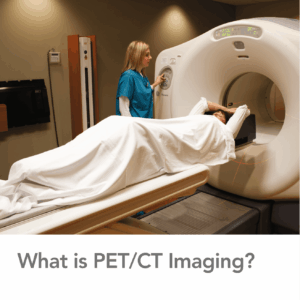
A PSMA PET/CT scan combines two powerful imaging technologies: Positron Emission Tomography (PET) and Computed Tomography (CT). The key to this scan is the use of a PSMA tracer, a specialized agent that is injected intravenously (IV). The PSMA tracer specifically targets prostate cancer cells, binding to them wherever they are in the body—whether within the prostate itself or in areas where the cancer has metastasized (spread).
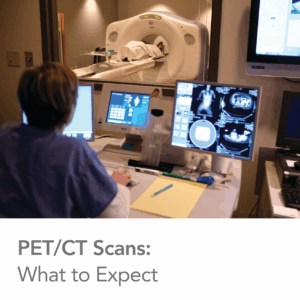
Once the PSMA tracer attaches to the cancer cells, it emits signals that are detected by the PET/CT scanner. These signals are used to create highly detailed images of the cancer’s location, giving doctors a precise picture of where the cancer is within the body.
When is a PSMA PET/CT Scan Recommended?
A PSMA PET/CT scan is particularly useful in several scenarios for men with prostate cancer:
• Suspected Metastases: If there is concern that prostate cancer has spread to other parts of the body.
• Suspected Recurrences: For detecting if prostate cancer has returned after initial treatment.
• Staging: To determine the extent of cancer spread before starting treatment.
• Restaging: For assessing the situation when PSA (Prostate-Specific Antigen) levels rise after treatment, indicating possible recurrence.
What Can a PSMA PET/CT Scan Detect?
PSMA PET/CT scans are highly sensitive and can detect cancer in various parts of the body, including:
• Bones: A common site for prostate cancer metastases.
• Soft Tissue: Including lymph nodes and other organs.
• The Prostate or Prostate Bed: The area where the prostate was located before surgery.
• Small Tumors: Even those that are too tiny to be detected by other imaging tests.
• Patients with Lower PSA Levels: The scan is effective even in cases where PSA levels are low, which can be challenging with other detection methods.
Benefits of Using PSMA Tracers in PET/CT Scans
There are several advantages to using PSMA tracers in PET/CT scans:
• Minimally Invasive: The scan is non-surgical, reducing the need for invasive biopsies.
• High Sensitivity: It can locate very small tumors that other tests might miss.
• Prostate Cancer-Specific: The PSMA tracer targets the PSMA protein, found on over 90% of prostate cancer cells, making the scan highly specific to this type of cancer.
Interested in a PSMA PET/CT Scan?
If you believe a PSMA PET/CT scan could be beneficial in your prostate cancer journey, we’re here to help. Please fill out the contact form on our website, and one of our team members will reach out to schedule an appointment.
At PET Imaging, we are committed to providing you with the most advanced and effective tools for cancer detection, so you can make informed decisions about your treatment.
Contact us today to learn more about how a PSMA PET/CT scan can play a critical role in your prostate cancer care.