What to Expect
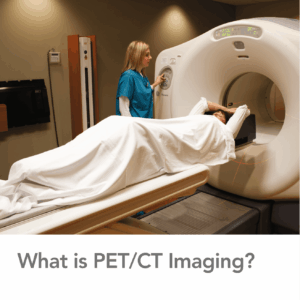
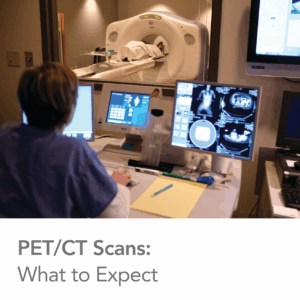
Learn what to expect before, during, and after a PET/CT scan, how to prepare, and why PET imaging is an essential diagnostic tool.

Weather Operations Update – January 26, 2026
Due to weather conditions, PET Imaging locations will operate as follows:
Tulsa will be closed today (January 26, 2026) due to weather conditions.
The Woodlands and Sugar Land plan to open at 12:00 PM CST today.
We will continue to monitor conditions and provide updates if hours change. Please stay safe.
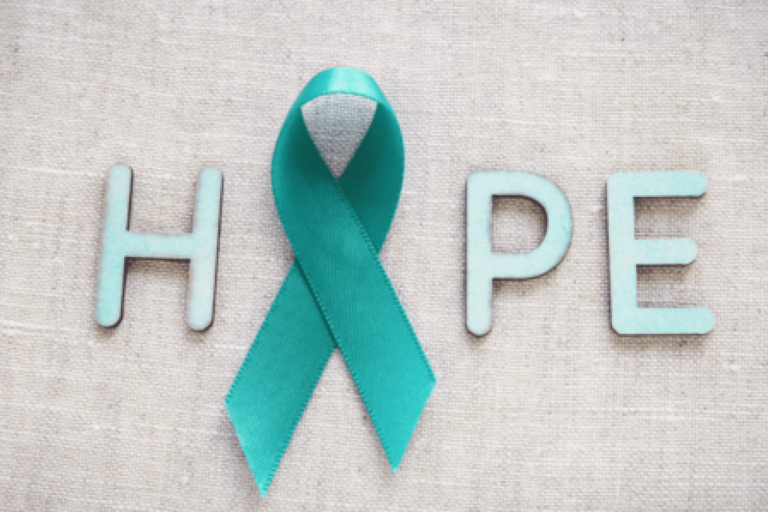
There are two types of cervical cancer, squamous cell carcinoma and adenocarcinomas. Squamous cell carcinomas are the most common, with the American Cancer Society reporting 90% of cervical cancer diagnosis. These typically begin in the transformation zone, which is located where the exocervix joins the endocervix.
There are two tests to detect cervical cancer early. The HPV test and the Pap test. Both tests can be done in a doctor’s office or clinic.
The human papillomavirus (HPV) test looks for the virus that can cause cell changes on the cervix.
The Pap test (or Pap smear) looks for precancers, which are cell changes on the cervix that might become cervical cancer if they are not treated appropriately.
Its recommended women begin Pap tests at the age of 21. Depending on the results, you may be able to wait three years until your next Pap test. According to the CDC, there are three recommendations for women 30 to 65 years old. Be sure to ask your doctor which testing option is right for you.
An HPV test only. If your result is normal, your doctor may tell you that you can wait five years until your next screening test.
An HPV test along with the Pap test. If both of your results are normal, your doctor may tell you that you can wait five years until your next screening test.
A Pap test only. If your result is normal, your doctor may tell you that you can wait three years until your next Pap test.
Women older than 65 may no longer need to have normal screening test results the age of 65, your doctor may tell you that you don’t need to be screened anymore if you have had normal screening test results for several years and you have not had a cervical precancer in the past, or you have had your cervix removed as part of a total hysterectomy for non-cancerous conditions, like fibroids.

Learn what to expect before, during, and after a PET/CT scan, how to prepare, and why PET imaging is an essential diagnostic tool.

Looking for an affordable PET scan? PET Imaging offers high‑quality PET/CT scans, fast scheduling, and patient‑focused outpatient care. Learn why patients choose PET Imaging.

Many patients feel anxious before imaging appointments, especially if they are unfamiliar with the process. Knowing what to expect can help ease concerns and make the experience smoother.

Learn what to expect before, during, and after a PET/CT scan, how to prepare, and why PET imaging is an essential diagnostic tool.

Looking for an affordable PET scan? PET Imaging offers high‑quality PET/CT scans, fast scheduling, and patient‑focused outpatient care. Learn why patients choose PET Imaging.

Many patients feel anxious before imaging appointments, especially if they are unfamiliar with the process. Knowing what to expect can help ease concerns and make the experience smoother.

Medical imaging plays a critical role in diagnosis and treatment planning, but not all scans provide the same information. CT and MRI scans focus on the structure of the body, while PET imaging shows how tissues and organs are functioning at a cellular level.