What to Expect
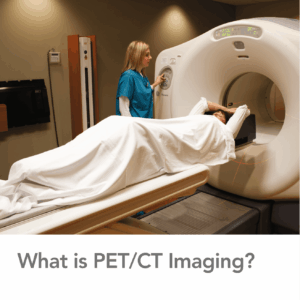
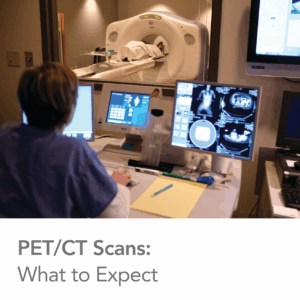
Learn what to expect before, during, and after a PET/CT scan, how to prepare, and why PET imaging is an essential diagnostic tool.

Weather Operations Update – January 26, 2026
Due to weather conditions, PET Imaging locations will operate as follows:
Tulsa will be closed today (January 26, 2026) due to weather conditions.
The Woodlands and Sugar Land plan to open at 12:00 PM CST today.
We will continue to monitor conditions and provide updates if hours change. Please stay safe.
Breast cancer forms in the cells of the breast. Although mostly found among women, there are some cases where it appears in men.
If you find a lump or other change in your breast — even if a recent mammogram was normal — don’t wait, make an appointment with your doctor.
The American Cancer Society recommends these tips about breast cancer screenings.
Women between the ages 50-74 years old are at average risk for breast cancer and can get a mammogram every two years.
It’s recommended women who are 40-49 years old should talk with their healthcare provider to discuss when they should start routine screenings and how often.
What are the different types of breast cancer screenings?
A mammogram is an X-ray of the breast. For many women, mammograms are the best way to find breast cancer early, when it is easier to treat and before it is big enough to feel or cause symptoms. Having regular mammograms can lower the risk of dying from breast cancer. At this time, a mammogram is the best way to find breast cancer for most women of screening age.
A breast MRI uses magnets and radio waves to take pictures of the breast. Breast MRI is used along with mammograms to screen women who are at high risk for getting breast cancer. Because breast MRIs may appear abnormal even when there is no cancer, they are not used for women at average risk.
A clinical breast exam is an examination by a doctor or nurse, who uses his or her hands to feel for lumps or other changes.
Being familiar with how your breasts look and feel can help you notice symptoms such as lumps, pain, or changes in size that may be of concern. These could include changes found during a breast self-exam. You should report any changes that you notice to your doctor or health care provider.
Having a clinical breast exam or doing a breast self-exam has not been found to lower the risk of dying from breast cancer.

Learn what to expect before, during, and after a PET/CT scan, how to prepare, and why PET imaging is an essential diagnostic tool.

Looking for an affordable PET scan? PET Imaging offers high‑quality PET/CT scans, fast scheduling, and patient‑focused outpatient care. Learn why patients choose PET Imaging.

Many patients feel anxious before imaging appointments, especially if they are unfamiliar with the process. Knowing what to expect can help ease concerns and make the experience smoother.

Learn what to expect before, during, and after a PET/CT scan, how to prepare, and why PET imaging is an essential diagnostic tool.

Looking for an affordable PET scan? PET Imaging offers high‑quality PET/CT scans, fast scheduling, and patient‑focused outpatient care. Learn why patients choose PET Imaging.

Many patients feel anxious before imaging appointments, especially if they are unfamiliar with the process. Knowing what to expect can help ease concerns and make the experience smoother.

Medical imaging plays a critical role in diagnosis and treatment planning, but not all scans provide the same information. CT and MRI scans focus on the structure of the body, while PET imaging shows how tissues and organs are functioning at a cellular level.