
What to Expect During Your PET Scan Appointment
Many patients feel anxious before imaging appointments, especially if they are unfamiliar with the process. Knowing what to expect can help ease concerns and make the experience smoother.

Weather Operations Update – January 26, 2026
Due to weather conditions, PET Imaging locations will operate as follows:
Tulsa will be closed today (January 26, 2026) due to weather conditions.
The Woodlands and Sugar Land plan to open at 12:00 PM CST today.
We will continue to monitor conditions and provide updates if hours change. Please stay safe.
The exact cause of head and neck cancer is unknown, but there are several risk factors that increase the chances of developing this type of cancer. The most significant risk factors include:
Tobacco and Alcohol Use: Tobacco and alcohol use are the leading causes of head and neck cancer. Smoking and drinking together increase the risk of developing this type of cancer more than either habit alone.
Human Papillomavirus (HPV): HPV is a sexually transmitted virus that can cause certain types of head and neck cancer, including oropharyngeal cancer.
Age: The risk of developing head and neck cancer increases as you get older.
Gender: Men are two to three times more likely to develop head and neck cancer than women.
Poor Nutrition: A diet lacking in fruits and vegetables may increase the risk of head and neck cancer.
The symptoms of head and neck cancer depend on the location of the cancer. Common symptoms include:
If you have symptoms of head and neck cancer, your doctor will perform a physical exam and may recommend further tests. These may include:
Biopsy:
A small piece of tissue is removed from the affected area and examined under a microscope to check for cancer cells.
Imaging tests:
These may include X-rays, CT scans, MRI scans, or PET scans, which can help to determine the size and location of the cancer.
The treatment of head and neck cancer depends on the location and stage of the cancer. Treatment options may include:
Surgery:
The cancerous tissue is removed surgically, along with any affected lymph nodes or other tissue.
Radiation Therapy:
High-energy radiation is used to kill cancer cells.
Chemotherapy:
Drugs are used to kill cancer cells.
Targeted Therapy:
Drugs are used to target specific cancer cells.
The best way to prevent head and neck cancer is to avoid the risk factors associated with this type of cancer. This includes:
In conclusion, head and neck cancer is a serious condition that requires prompt diagnosis and treatment. If you have symptoms of head and neck cancer, it is important to see your doctor right away. By taking steps to reduce your risk of developing this type of cancer, you can help to protect your health and well-being.

Many patients feel anxious before imaging appointments, especially if they are unfamiliar with the process. Knowing what to expect can help ease concerns and make the experience smoother.

Medical imaging plays a critical role in diagnosis and treatment planning, but not all scans provide the same information. CT and MRI scans focus on the structure of the body, while PET imaging shows how tissues and organs are functioning at a cellular level.

When your doctor orders a PET scan, it’s natural to have questions. PET imaging plays an important role in helping your care team better understand what’s happening inside your body—so they can make informed decisions about your care.
Many patients feel anxious before imaging appointments, especially if they are unfamiliar with the process. Knowing what to expect can help ease concerns and make the experience smoother.

Medical imaging plays a critical role in diagnosis and treatment planning, but not all scans provide the same information. CT and MRI scans focus on the structure of the body, while PET imaging shows how tissues and organs are functioning at a cellular level.

When your doctor orders a PET scan, it’s natural to have questions. PET imaging plays an important role in helping your care team better understand what’s happening inside your body—so they can make informed decisions about your care.

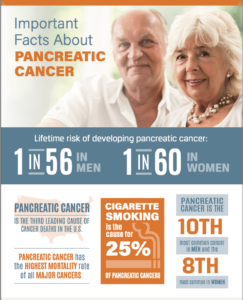
Pancreatic cancer has long been one of the most challenging cancers to treat, but advances in research, treatment, and advocacy are providing new hope. This Pancreatic Cancer Awareness Month, let’s focus on the importance of innovative treatment options and how we can support ongoing research for better patient outcomes.