How Family History Affects Your Risk
While most cases of breast cancer aren’t hereditary, family history can still significantly impact your risk. If one or more close relatives—such as your mother, sister, or daughter—has been diagnosed with breast cancer, particularly before age 50, your own risk is higher.
For those with a family history of breast or ovarian cancer, especially multiple relatives, there may be an increased likelihood of carrying certain genetic mutations, such as BRCA1 and BRCA2. These mutations increase the risk of developing breast and ovarian cancers at a younger age and may also raise the risk of other cancers.
What to Discuss with Your Doctor
Sharing your family’s health history with your doctor allows them to assess your risk and recommend appropriate screening or preventive measures. When discussing family history, be sure to include:
- Any breast, ovarian, prostate, or pancreatic cancers among close relatives.
- The age at which family members were diagnosed.
- If any relatives have undergone genetic testing and the results.
Your doctor may recommend more frequent screenings or additional tests, such as genetic counseling or BRCA testing, based on your family history.
The Role of Genetic Testing and Counseling
For individuals with a strong family history of breast cancer, genetic testing can provide valuable information about personal cancer risk. A positive test for a genetic mutation, like BRCA1 or BRCA2, may prompt earlier or more frequent screenings and, in some cases, preventive measures such as surgery or medication.
If you’re considering genetic testing, genetic counseling can help you understand the benefits, risks, and implications of the test results. Genetic counselors are trained to guide you through the decision-making process and help you understand what the results mean for your future health.
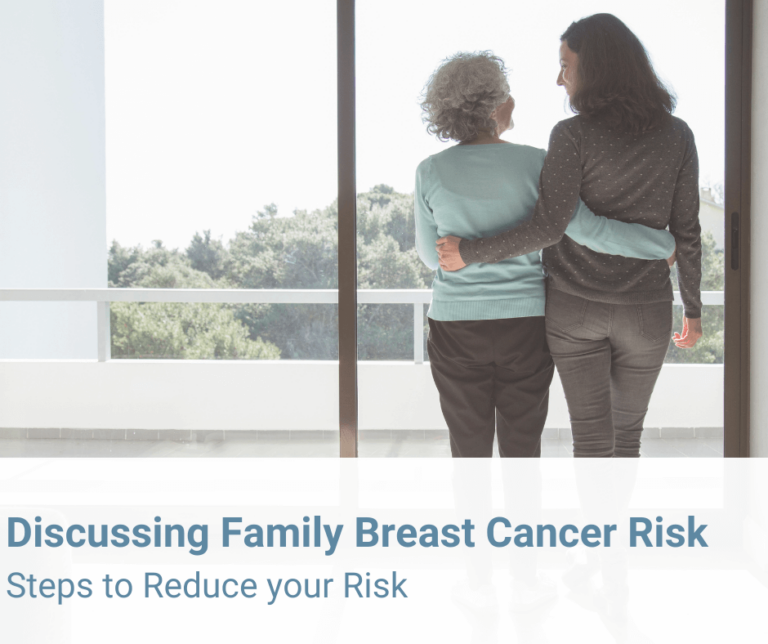
Talking to Your Family About Breast Cancer Risk
Discussing family health history isn’t always easy, but it’s an important conversation that could protect your loved ones. Start by asking close relatives about their health, including any cancer diagnoses. Keep a record of the information, and share it with other family members who may also be at risk.
Encourage family members to get screened, especially if they’re at higher risk due to family history. By openly discussing family health, you can help ensure that everyone gets the screenings and preventive care they need.
Create a Family Health History Document
One of the best ways to track your family’s health is by creating a written family health history document. This record should include information about each family member, including any significant illnesses, cancers, and ages of diagnosis. Having this document ready can be helpful when talking to your healthcare provider and sharing information with other family members.
Knowledge is Power
Understanding and sharing your family history is a powerful tool in the fight against breast cancer. The more informed you are, the better prepared you’ll be to take control of your health and support the health of your loved ones.