Holiday Hours

Weather Operations Update – January 26, 2026

Due to weather conditions, PET Imaging locations will operate as follows:

Tulsa will be closed today (January 26, 2026) due to weather conditions.

The Woodlands and Sugar Land plan to open at 12:00 PM CST today.

We will continue to monitor conditions and provide updates if hours change. Please stay safe.

Understanding Testicular Cancer

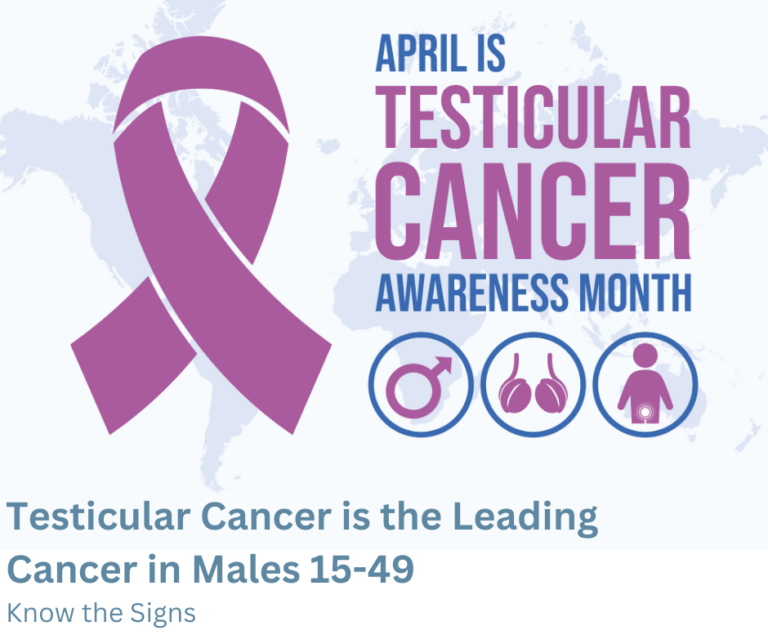
April testicular cancer awareness

Testicular cancer originates in the testicles, vital organs responsible for sperm and hormone production in men. While comparatively rare, it predominantly affects younger men, with the highest incidence occurring between ages 15 and 35. However, vigilance is essential.

Symptoms: A primary indicator of testicular cancer is the presence of a lump or swelling in one testicle. Additional symptoms may include discomfort or pain in the testicle or scrotum, changes in size or shape, a sensation of heaviness, fluid accumulation, back pain, or breast enlargement. Notably, some cases may manifest without noticeable symptoms, underscoring the importance of regular self-examination.

Risk Factors: Several factors heighten the risk of developing testicular cancer:

  1. Age: Younger men, particularly those aged 15 to 35, face a higher risk.
  2. Family or personal history: Individuals with a family history or a personal history of testicular cancer are at elevated risk.
  3. Cryptorchidism: Undescended testicles increase susceptibility to testicular cancer.
  4. HIV infection: Some studies suggest a correlation between HIV infection and testicular cancer risk.
  5. Ethnicity: Testicular cancer is more prevalent among white men compared to other racial or ethnic groups.


Prevention Strategies: While complete prevention may not be feasible, proactive measures can mitigate risk:

  1. Regular self-exams: Familiarize yourself with the normal appearance and feel of your testicles, and promptly report any changes to your healthcare provider.
  2. Routine check-ups: Regular physical examinations enable early detection of abnormalities.
  3. Awareness of family history: Understand your familial risk and discuss it with your healthcare provider for appropriate screening recommendations.
  4. Lifestyle modifications: Avoiding tobacco and adopting a healthy lifestyle can contribute to overall well-being and potentially reduce the risk of testicular cancer.


By raising awareness about testicular cancer—its symptoms, risk factors, and prevention strategies—we empower individuals to take charge of their health journey. Vigilance, early detection, and informed decision-making are crucial weapons in the fight against this disease.

Like What You See? Share With A Friend!

Latest Doctor's Blog Articles

pet imaging color logo

Why PET Imaging Matters in Your Care

When your doctor orders a PET scan, it’s natural to have questions. PET imaging plays an important role in helping your care team better understand what’s happening inside your body—so they can make informed decisions about your care.

Read More »