
Holiday Hours

Weather Operations Update – January 26, 2026

Due to weather conditions, PET Imaging locations will operate as follows:

Tulsa will be closed today (January 26, 2026) due to weather conditions.

The Woodlands and Sugar Land plan to open at 12:00 PM CST today.

We will continue to monitor conditions and provide updates if hours change. Please stay safe.

PET Imaging Blog

pet imaging color logo

Your Sleep Patterns Could Be Impacting Your Mental Health

Sleep is an essential aspect of our lives that is often overlooked. While we sleep, our body and mind recharge, and we wake up feeling refreshed and ready to tackle the day. However, lack of sleep can have a profound impact on our mental health, affecting our mood, emotions, and cognitive function. We will explore the relationship between sleep and mental health and the impact of sleep deprivation on our mental well-being.


Read More »
pet imaging color logo

May is Women’s Health Week

Cancer is a disease that affects millions of people worldwide, and while there are many factors that contribute to cancer, there are also many preventative measures that women can take to reduce their risk. This Women’s Health Week, we will explore some of the best practices women can follow to lessen their chance of developing cancer.

Read More »
pet imaging color logo

Should You Get Screened for Head and Neck Cancer?

Head and neck cancer is a term used to describe a variety of cancers that occur in the head and neck region. This includes the oral cavity, pharynx, larynx, salivary glands, nasal cavity, and sinuses. The most common type of head and neck cancer is squamous cell carcinoma, which accounts for more than 90% of cases. This blog will guide you through the symptoms of head and neck cancer, the diagnostic process and treatment options.

Read More »
January is cervical cancer month

January is Cervical Cancer Awareness Month

Gynecological cancer is any form of cancer that takes place in the female reproductive system. The most common is cervical cancer. Cervical cancer begins in the cells lining the cervix, which connects the uterus to the vagina.

Read More »
supporting loved ones

How to Support a Loved One in a Cancer Diagnosis

The topic of cancer is often a sensitive subject, as a friend or a loved one, it can be difficult to know the best approach to support your loved one. However, the support of family and friends plays an important role in a cancer patient’s journey, so it’s good to identify an effective approach. Here are some tips from the American Cancer Society on ways to support a loved one through their cancer journey.

Read More »
Coping with Cancer

Coping with Cancer During the Holidays

If you have been diagnosed with cancer, the holiday season can be a difficult time. What often comes as a stressful time of year, is further escalated with the news of cancer. It can be both physically and emotionally draining. Allow yourself to get in the holiday spirit and enjoy the fullness of the season with these recommendations from the National Cancer Institute, Center for Cancer Research.

Read More »
Holiday Nutrition

A Guide to Healthy Holiday Eating

Holidays can be the most wonderful time of the year, but if you’re trying to stay true to your healthy eating plan, you might start dreading the holiday season, knowing it could be an end to your so-far-successful meal plan. The parties last for weeks, the food seems endless and everyone is splurging, so how do you avoid the pitfall and stick to your meal plan?

Read More »
lifestyle changes to reduce cancer risk

Small Lifestyle Changes to Reduce Cancer Risk

Cancer is a word that carries immense weight, affecting millions of lives every year. While it’s true that some risk factors are beyond our control, such as genetics, there are many ways we can actively reduce our risk of developing cancer. By making healthier choices in our daily lives, we can significantly lower our chances of encountering this devastating disease.

Read More »
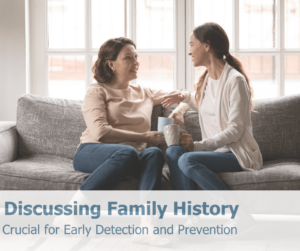
discussing family history is crucial for early cancer detection

The Importance of Discussing Family History of Cancer

Understanding your family history of cancer is a vital step in cancer prevention, early detection, and effective treatment. Many cancers have genetic components, meaning they can be influenced by inherited genetic mutations. By discussing and knowing your family history, you can take proactive steps to manage your health and reduce your risk of developing cancer.

Read More »
power of exercise through cancer

The Power of Exercise During Treatment

Cancer treatment can be physically and emotionally demanding, but incorporating exercise into your routine can significantly improve your overall well-being. Exercise is known to reduce stress, boost mood, and restore energy levels. For cancer patients, these benefits can be particularly impactful, helping to manage treatment side effects and enhance recovery. In this two-part series, we’ll explore the numerous benefits of exercise for cancer patients and provide practical tips for incorporating physical activity into your life. Make sure to consult your healthcare provider before beginning any exercise program.

Read More »

Stay Safe This Summer: Protecting Your Skin from Cancer

As the sun shines brighter and temperatures rise, summer invites us to spend more time outdoors enjoying various activities. However, the increased exposure to the sun’s ultraviolet (UV) rays also heightens the risk of skin cancer, the most common cancer in the United States. Understanding how to protect your skin is crucial for a healthy and enjoyable summer.

Read More »
July bone cancer awareness

Understanding Sarcoma and Bone Cancer

July is National Sarcoma and Bone Cancer Awareness Month, dedicated to increasing understanding of these rare and complex cancers. Sarcomas, which arise in bones and soft tissues, and bone cancers can affect anyone but are often misunderstood. Awareness is key to early detection, better treatment outcomes, and supporting those affected.

Read More »
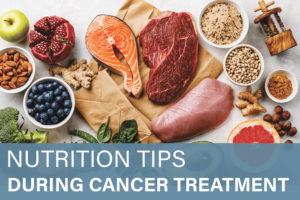
Nutrition tips during cancer treatment

Nutrition During Cancer Treatment: Tips for Maintaining Your Health

Cancer and its treatments can significantly impact your nutrition and overall well-being. Weight loss and undernutrition are common due to a loss of appetite and other factors that affect eating. Severe undernutrition can compromise the function of vital organs such as the heart, liver, and kidneys, and impair your ability to heal from surgery, chemotherapy, and radiation side effects. Ensuring you get the right nutrients is crucial for maintaining your quality of life during this challenging time. Here are some tips to help boost your nutrition:

Read More »