PSMA PET Imaging: Advanced Detection for Prostate Cancer
Learn how PSMA PET imaging improves prostate cancer detection and treatment planning.

Learn how PSMA PET imaging improves prostate cancer detection and treatment planning.
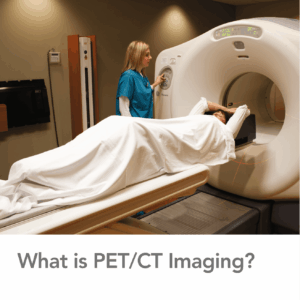
Understand what a PET/CT scan is, how it works, and why PET imaging is essential for accurate diagnosis and treatment planning
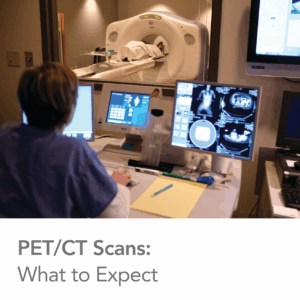
Learn what to expect before, during, and after a PET/CT scan, how to prepare, and why PET imaging is an essential diagnostic tool.

Looking for an affordable PET scan? PET Imaging offers high‑quality PET/CT scans, fast scheduling, and patient‑focused outpatient care. Learn why patients choose PET Imaging.

Many patients feel anxious before imaging appointments, especially if they are unfamiliar with the process. Knowing what to expect can help ease concerns and make the experience smoother.
Medical imaging plays a critical role in diagnosis and treatment planning, but not all scans provide the same information. CT and MRI scans focus on the structure of the body, while PET imaging shows how tissues and organs are functioning at a cellular level.
When your doctor orders a PET scan, it’s natural to have questions. PET imaging plays an important role in helping your care team better understand what’s happening inside your body—so they can make informed decisions about your care.
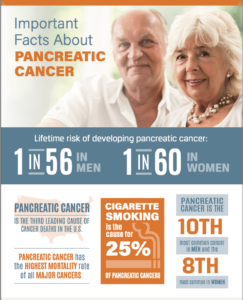
Pancreatic cancer has long been one of the most challenging cancers to treat, but advances in research, treatment, and advocacy are providing new hope. This Pancreatic Cancer Awareness Month, let’s focus on the importance of innovative treatment options and how we can support ongoing research for better patient outcomes.

November is Pancreatic Cancer Awareness Month, a time to shine a light on one of the deadliest cancers that, despite its severity, receives limited attention. Pancreatic cancer is challenging to diagnose early, spreads quickly, and has a low survival rate. However, awareness and understanding can help in early detection and support ongoing research to improve outcomes.

Navigating the emotional challenges of a cancer diagnosis and treatment requires a proactive approach to mental well-being. We recognize that supporting your mental health is crucial for overall recovery and quality of life. Here’s how you can take steps to nurture your mental health during this time.
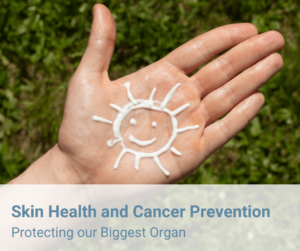
Our skin is the body’s largest organ, serving as the first line of defense against environmental factors, regulating body temperature, and playing a crucial role in overall health. Taking proactive steps is essential for protecting your skin against skin cancer.

The Cerianna PET/CT scan is a groundbreaking diagnostic tool for assessing estrogen receptor (ER)-positive metastatic breast cancer lesions. This innovative, non-invasive imaging technique offers a comprehensive and quick evaluation of ER status throughout the body.

Cancer is a word that carries immense weight, affecting millions of lives every year. While it’s true that some risk factors are beyond our control, such as genetics, there are many ways we can actively reduce our risk of developing cancer. By making healthier choices in our daily lives, we can significantly lower our chances of encountering this devastating disease.

Understanding your family history of cancer is a vital step in cancer prevention, early detection, and effective treatment. Many cancers have genetic components, meaning they can be influenced by inherited genetic mutations. By discussing and knowing your family history, you can take proactive steps to manage your health and reduce your risk of developing cancer.

Cancer treatment can be physically and emotionally demanding, but incorporating exercise into your routine can significantly improve your overall well-being. Exercise is known to reduce stress, boost mood, and restore energy levels. For cancer patients, these benefits can be particularly impactful, helping to manage treatment side effects and enhance recovery. In this two-part series, we’ll explore the numerous benefits of exercise for cancer patients and provide practical tips for incorporating physical activity into your life. Make sure to consult your healthcare provider before beginning any exercise program.

As the sun shines brighter and temperatures rise, summer invites us to spend more time outdoors enjoying various activities. However, the increased exposure to the sun’s ultraviolet (UV) rays also heightens the risk of skin cancer, the most common cancer in the United States. Understanding how to protect your skin is crucial for a healthy and enjoyable summer.
July is National Sarcoma and Bone Cancer Awareness Month, dedicated to increasing understanding of these rare and complex cancers. Sarcomas, which arise in bones and soft tissues, and bone cancers can affect anyone but are often misunderstood. Awareness is key to early detection, better treatment outcomes, and supporting those affected.

Cancer and its treatments can significantly impact your nutrition and overall well-being. Weight loss and undernutrition are common due to a loss of appetite and other factors that affect eating. Severe undernutrition can compromise the function of vital organs such as the heart, liver, and kidneys, and impair your ability to heal from surgery, chemotherapy, and radiation side effects. Ensuring you get the right nutrients is crucial for maintaining your quality of life during this challenging time. Here are some tips to help boost your nutrition:
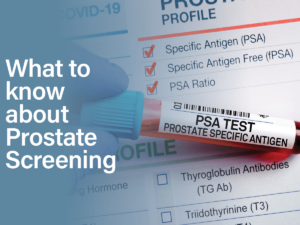
Prostate cancer is one of the most common cancers among men. Early detection through screening can significantly improve outcomes. Here’s what you need to know about prostate cancer screening.