
PSMA PET Imaging: Advanced Detection for Prostate Cancer
Learn how PSMA PET imaging improves prostate cancer detection and treatment planning.

Learn how PSMA PET imaging improves prostate cancer detection and treatment planning.
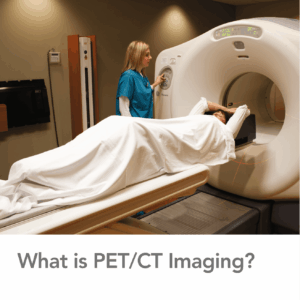
Understand what a PET/CT scan is, how it works, and why PET imaging is essential for accurate diagnosis and treatment planning
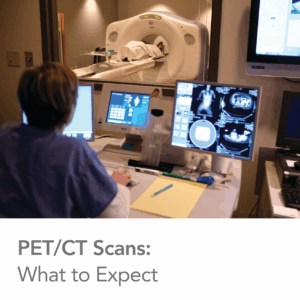
Learn what to expect before, during, and after a PET/CT scan, how to prepare, and why PET imaging is an essential diagnostic tool.

Looking for an affordable PET scan? PET Imaging offers high‑quality PET/CT scans, fast scheduling, and patient‑focused outpatient care. Learn why patients choose PET Imaging.

Many patients feel anxious before imaging appointments, especially if they are unfamiliar with the process. Knowing what to expect can help ease concerns and make the experience smoother.
Medical imaging plays a critical role in diagnosis and treatment planning, but not all scans provide the same information. CT and MRI scans focus on the structure of the body, while PET imaging shows how tissues and organs are functioning at a cellular level.
When your doctor orders a PET scan, it’s natural to have questions. PET imaging plays an important role in helping your care team better understand what’s happening inside your body—so they can make informed decisions about your care.
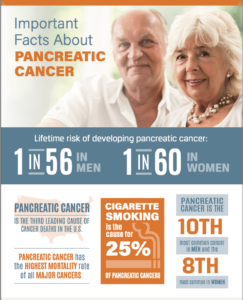
Pancreatic cancer has long been one of the most challenging cancers to treat, but advances in research, treatment, and advocacy are providing new hope. This Pancreatic Cancer Awareness Month, let’s focus on the importance of innovative treatment options and how we can support ongoing research for better patient outcomes.

November is Pancreatic Cancer Awareness Month, a time to shine a light on one of the deadliest cancers that, despite its severity, receives limited attention. Pancreatic cancer is challenging to diagnose early, spreads quickly, and has a low survival rate. However, awareness and understanding can help in early detection and support ongoing research to improve outcomes.

Men’s Health Month is the perfect time to raise awareness about the health challenges men face and encourage proactive steps towards better health. Among the various health concerns, cancer stands out as a significant threat. The three most common cancers affecting men are prostate cancer, lung cancer, and colorectal cancer. Understanding these cancers, their risk factors, and preventive measures can help men take charge of their health.

Today we celebrate National Cancer Survivors Day, honoring the strength and resilience of those who have faced cancer. This day is a testament to the human spirit and a reminder of the progress made in the fight against cancer.

Understanding the risk factors associated with brain tumors is crucial, although it’s important to note that most brain tumors do not have a direct known cause. However, some factors that may increase the risk include:

Mental Health Awareness Month is a crucial time to highlight the psychological impact of chronic illnesses, including cancer. The diagnosis, treatment, and ongoing management of cancer can have significant emotional and psychological effects, not only on patients but also on their families and caregivers. Addressing the mental health needs of those affected by cancer is vital for comprehensive care.

National Women’s Health Week serves as a reminder to prioritize their physical and mental health, and overall well-being. This week aims to highlight women’s health issues and priorities and encourage women of all ages to prioritize their physical, mental, and emotional well-being. Join us in this uplifting journey as we dive into everything that makes women’s health so important.

Medical advancements have significantly improved the treatment options available for skin cancer, which is crucial as it remains one of the most common types of cancer worldwide.
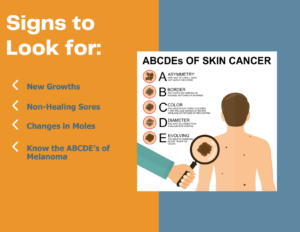
Detecting skin cancer early can make a significant difference in treatment outcomes. Learn more about practical steps for prevention and the vital role of early detection.

May is Skin Cancer Awareness Month, an annual campaign dedicated to educating the public about the most common form of cancer in the United States. Skin cancer affects millions each year, yet with proper awareness and precautions, it is also one of the most preventable. Learn more about skin cancer, its types, risk factors, and crucial preventive measures.
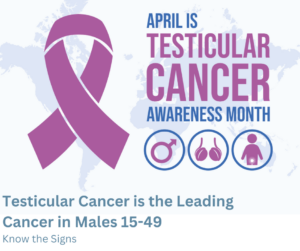
Testicular cancer originates in the testicles, vital organs responsible for sperm and hormone production in men. While comparatively rare, it predominantly affects younger men, with the highest incidence occurring between ages 15 and 35. However, vigilance is essential.
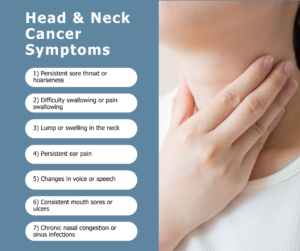
Early detection is crucial for successful treatment and improved outcomes in head and neck cancer. In this blog, we’ll delve into the symptoms of head and neck cancer and the importance of screening for early detection.