What to Expect
Learn what to expect before, during, and after a PET/CT scan, how to prepare, and why PET imaging is an essential diagnostic tool.

Weather Operations Update – January 26, 2026
Due to weather conditions, PET Imaging locations will operate as follows:
Tulsa will be closed today (January 26, 2026) due to weather conditions.
The Woodlands and Sugar Land plan to open at 12:00 PM CST today.
We will continue to monitor conditions and provide updates if hours change. Please stay safe.
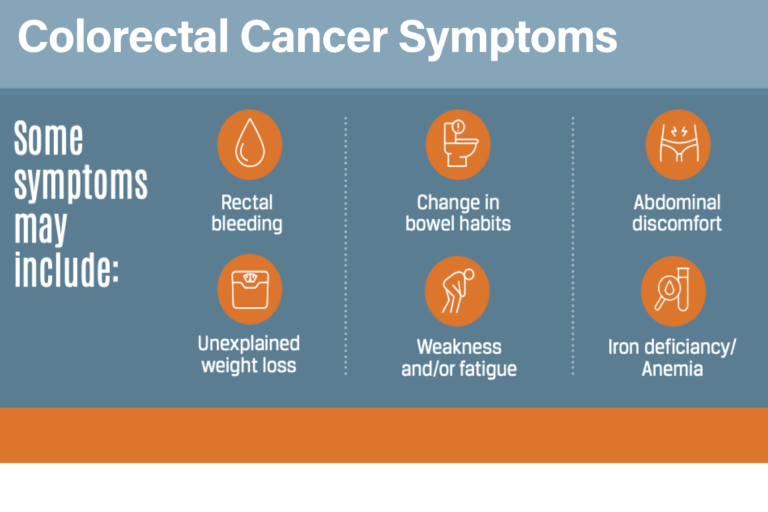
Common Symptoms of Colorectal Cancer:
Changes in Bowel Habits: Persistent changes in bowel habits, such as diarrhea, constipation, or changes in stool consistency, may indicate colorectal cancer. Pay attention to any unusual or unexplained changes in your bathroom routine.
Rectal Bleeding: Blood in the stool or rectal bleeding is a common symptom of colorectal cancer. While rectal bleeding may be caused by other conditions, such as hemorrhoids or anal fissures, it’s essential to consult a healthcare professional to rule out colorectal cancer.
Abdominal Discomfort: Persistent abdominal pain, cramping, or discomfort, particularly if it’s accompanied by other symptoms, should be evaluated by a doctor. Colorectal cancer can cause abdominal discomfort as tumors grow and press on surrounding tissues.
Unexplained Weight Loss: Unintentional weight loss, especially if it occurs rapidly and without changes in diet or exercise, can be a red flag for colorectal cancer. Cancer-related weight loss may be due to a combination of factors, including loss of appetite, changes in metabolism, and cancer-related fatigue.
Fatigue: Fatigue or weakness that doesn’t improve with rest is another potential symptom of colorectal cancer. Cancer-related fatigue can be debilitating and may interfere with daily activities, so it’s essential to address it promptly.
When to Seek Medical Attention:
If you experience any of the symptoms mentioned above, it’s crucial to consult a healthcare professional promptly. While these symptoms may not always indicate colorectal cancer, they should not be ignored, as early detection can significantly improve treatment outcomes. Your doctor can perform a thorough evaluation, including physical examination, medical history review, and diagnostic tests, to determine the underlying cause of your symptoms.
Don’t hesitate to consult a healthcare professional if you experience any concerning symptoms. Remember, early detection saves lives.

Learn what to expect before, during, and after a PET/CT scan, how to prepare, and why PET imaging is an essential diagnostic tool.

Looking for an affordable PET scan? PET Imaging offers high‑quality PET/CT scans, fast scheduling, and patient‑focused outpatient care. Learn why patients choose PET Imaging.

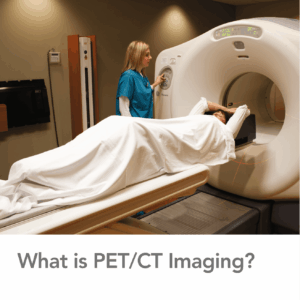
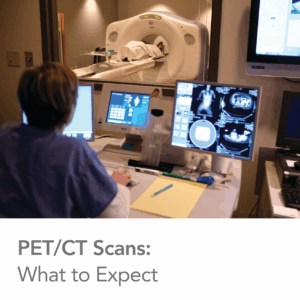
Many patients feel anxious before imaging appointments, especially if they are unfamiliar with the process. Knowing what to expect can help ease concerns and make the experience smoother.

Learn what to expect before, during, and after a PET/CT scan, how to prepare, and why PET imaging is an essential diagnostic tool.

Looking for an affordable PET scan? PET Imaging offers high‑quality PET/CT scans, fast scheduling, and patient‑focused outpatient care. Learn why patients choose PET Imaging.

Many patients feel anxious before imaging appointments, especially if they are unfamiliar with the process. Knowing what to expect can help ease concerns and make the experience smoother.

Medical imaging plays a critical role in diagnosis and treatment planning, but not all scans provide the same information. CT and MRI scans focus on the structure of the body, while PET imaging shows how tissues and organs are functioning at a cellular level.