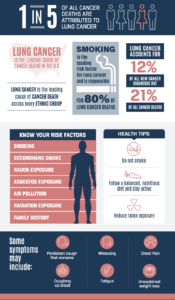
Lung Cancer Risk Factors and Prevention
Preventing lung cancer is possible with lifestyle adjustments, risk awareness, and screenings. Here’s what you need to know about the factors that increase lung cancer risk and how to reduce them.

Preventing lung cancer is possible with lifestyle adjustments, risk awareness, and screenings. Here’s what you need to know about the factors that increase lung cancer risk and how to reduce them.
Lung cancer is a leading cause of cancer deaths worldwide, and its early symptoms are often overlooked or mistaken for less serious conditions. In this post, we’ll discuss what lung cancer is, explore its types, and focus on understanding the symptoms, so individuals can recognize early warning signs.
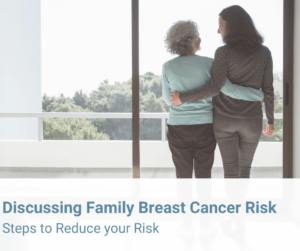
Family history plays a critical role in understanding your risk of breast cancer. Open discussions with both your family and healthcare provider can provide essential insights that could save lives.
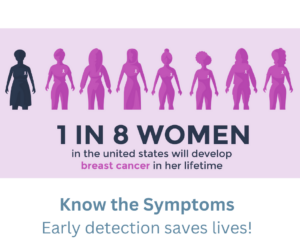
Breast cancer is one of the most common cancers affecting women worldwide. Early detection can significantly improve treatment outcomes, so it’s crucial to be aware of the symptoms and know when to seek medical attention. In this blog, we’ll discuss the key signs and symptoms of breast cancer, helping you stay informed and proactive about your breast health.
Breast cancer can affect anyone, but some individuals are at a higher risk than others. Understanding your risk factors is a critical step in prevention and early detection. In this second part of our Breast Cancer Awareness Month blog series, we’ll dive into the various factors that can increase the likelihood of developing breast cancer.
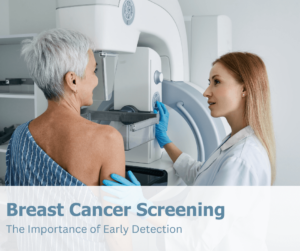
October is Breast Cancer Awareness Month, and there’s no better time to discuss one of the most crucial factors in beating this disease: early detection through screening. Regular screenings can dramatically increase the chances of catching breast cancer in its early stages when it’s most treatable.
September is a pivotal month in cancer awareness, shining a spotlight on leukemia and lymphoma. We are dedicated to providing education, support, and cutting-edge treatments to those affected by these blood cancers. Let’s explore the essentials of leukemia and lymphoma, their symptoms, and the importance of early detection and treatment.
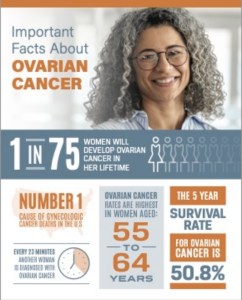
Ovarian cancer begins in the ovaries, the reproductive glands that produce eggs. It is the fifth most common cancer among women and the deadliest of the gynecologic cancers. One of the challenges with ovarian cancer is that it is often diagnosed at an advanced stage, when it is harder to treat effectively.
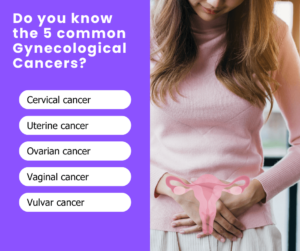
September is Gynecologic Cancer Awareness Month, a time dedicated to raising awareness about the five main types of gynecologic cancers: cervical, ovarian, uterine, vaginal, and vulvar. These cancers affect the reproductive organs and can have a profound impact on women’s health. At PET Imaging, we are committed to educating women about these cancers, promoting early detection, and providing comprehensive care for those affected.

Skin cancer is a condition characterized by the abnormal growth of skin cells, often caused by excessive exposure to ultraviolet (UV) radiation from the sun or artificial sources like tanning beds. There are different types of skin cancer, including melanoma, basal cell carcinoma, and squamous cell carcinoma.
June is Men’s Health Month, a time dedicated to raising awareness about various health issues that impact men. One common condition that affects a large number of men, particularly as they age, is benign prostatic hyperplasia (BPH).
Melanoma skin cancer is a type of cancer that affects the melanocytes, the cells that produce pigment in the skin. It is the deadliest form of skin cancer, but it is also one of the most preventable and treatable if detected early.
Sleep is an essential aspect of our lives that is often overlooked. While we sleep, our body and mind recharge, and we wake up feeling refreshed and ready to tackle the day. However, lack of sleep can have a profound impact on our mental health, affecting our mood, emotions, and cognitive function. We will explore the relationship between sleep and mental health and the impact of sleep deprivation on our mental well-being.
Cancer is a disease that affects millions of people worldwide, and while there are many factors that contribute to cancer, there are also many preventative measures that women can take to reduce their risk. This Women’s Health Week, we will explore some of the best practices women can follow to lessen their chance of developing cancer.
Head and neck cancer is a term used to describe a variety of cancers that occur in the head and neck region. This includes the oral cavity, pharynx, larynx, salivary glands, nasal cavity, and sinuses. The most common type of head and neck cancer is squamous cell carcinoma, which accounts for more than 90% of cases. This blog will guide you through the symptoms of head and neck cancer, the diagnostic process and treatment options.
Gynecological cancer is any form of cancer that takes place in the female reproductive system. The most common is cervical cancer. Cervical cancer begins in the cells lining the cervix, which connects the uterus to the vagina.
What are your New Year’s resolutions? Odds are, “exercising more” is somewhere on the list. If not, consider adding it. According to the National Cancer Institute, there is strong evidence linking higher physical activity to lower risk of cancer.
The topic of cancer is often a sensitive subject, as a friend or a loved one, it can be difficult to know the best approach to support your loved one. However, the support of family and friends plays an important role in a cancer patient’s journey, so it’s good to identify an effective approach. Here are some tips from the American Cancer Society on ways to support a loved one through their cancer journey.

If you have been diagnosed with cancer, the holiday season can be a difficult time. What often comes as a stressful time of year, is further escalated with the news of cancer. It can be both physically and emotionally draining. Allow yourself to get in the holiday spirit and enjoy the fullness of the season with these recommendations from the National Cancer Institute, Center for Cancer Research.