
PSMA PET Imaging: Advanced Detection for Prostate Cancer
Learn how PSMA PET imaging improves prostate cancer detection and treatment planning.

Learn how PSMA PET imaging improves prostate cancer detection and treatment planning.
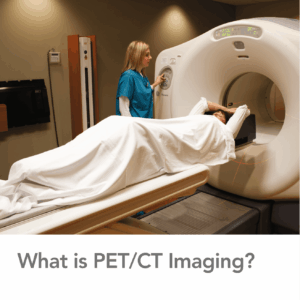
Understand what a PET/CT scan is, how it works, and why PET imaging is essential for accurate diagnosis and treatment planning
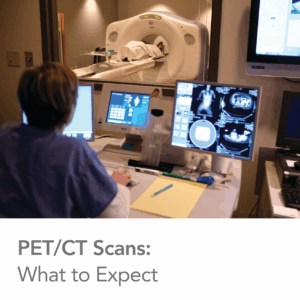
Learn what to expect before, during, and after a PET/CT scan, how to prepare, and why PET imaging is an essential diagnostic tool.

Looking for an affordable PET scan? PET Imaging offers high‑quality PET/CT scans, fast scheduling, and patient‑focused outpatient care. Learn why patients choose PET Imaging.

Many patients feel anxious before imaging appointments, especially if they are unfamiliar with the process. Knowing what to expect can help ease concerns and make the experience smoother.
Medical imaging plays a critical role in diagnosis and treatment planning, but not all scans provide the same information. CT and MRI scans focus on the structure of the body, while PET imaging shows how tissues and organs are functioning at a cellular level.
When your doctor orders a PET scan, it’s natural to have questions. PET imaging plays an important role in helping your care team better understand what’s happening inside your body—so they can make informed decisions about your care.
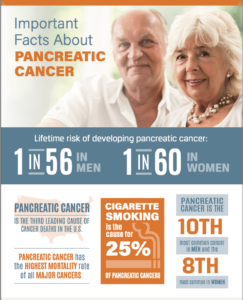
Pancreatic cancer has long been one of the most challenging cancers to treat, but advances in research, treatment, and advocacy are providing new hope. This Pancreatic Cancer Awareness Month, let’s focus on the importance of innovative treatment options and how we can support ongoing research for better patient outcomes.

November is Pancreatic Cancer Awareness Month, a time to shine a light on one of the deadliest cancers that, despite its severity, receives limited attention. Pancreatic cancer is challenging to diagnose early, spreads quickly, and has a low survival rate. However, awareness and understanding can help in early detection and support ongoing research to improve outcomes.
Skin cancer is a condition characterized by the abnormal growth of skin cells, often caused by excessive exposure to ultraviolet (UV) radiation from the sun or artificial sources like tanning beds. There are different types of skin cancer, including melanoma, basal cell carcinoma, and squamous cell carcinoma.
June is Men’s Health Month, a time dedicated to raising awareness about various health issues that impact men. One common condition that affects a large number of men, particularly as they age, is benign prostatic hyperplasia (BPH).
Melanoma skin cancer is a type of cancer that affects the melanocytes, the cells that produce pigment in the skin. It is the deadliest form of skin cancer, but it is also one of the most preventable and treatable if detected early.
Sleep is an essential aspect of our lives that is often overlooked. While we sleep, our body and mind recharge, and we wake up feeling refreshed and ready to tackle the day. However, lack of sleep can have a profound impact on our mental health, affecting our mood, emotions, and cognitive function. We will explore the relationship between sleep and mental health and the impact of sleep deprivation on our mental well-being.
Cancer is a disease that affects millions of people worldwide, and while there are many factors that contribute to cancer, there are also many preventative measures that women can take to reduce their risk. This Women’s Health Week, we will explore some of the best practices women can follow to lessen their chance of developing cancer.
Head and neck cancer is a term used to describe a variety of cancers that occur in the head and neck region. This includes the oral cavity, pharynx, larynx, salivary glands, nasal cavity, and sinuses. The most common type of head and neck cancer is squamous cell carcinoma, which accounts for more than 90% of cases. This blog will guide you through the symptoms of head and neck cancer, the diagnostic process and treatment options.

Gynecological cancer is any form of cancer that takes place in the female reproductive system. The most common is cervical cancer. Cervical cancer begins in the cells lining the cervix, which connects the uterus to the vagina.
What are your New Year’s resolutions? Odds are, “exercising more” is somewhere on the list. If not, consider adding it. According to the National Cancer Institute, there is strong evidence linking higher physical activity to lower risk of cancer.

The topic of cancer is often a sensitive subject, as a friend or a loved one, it can be difficult to know the best approach to support your loved one. However, the support of family and friends plays an important role in a cancer patient’s journey, so it’s good to identify an effective approach. Here are some tips from the American Cancer Society on ways to support a loved one through their cancer journey.

If you have been diagnosed with cancer, the holiday season can be a difficult time. What often comes as a stressful time of year, is further escalated with the news of cancer. It can be both physically and emotionally draining. Allow yourself to get in the holiday spirit and enjoy the fullness of the season with these recommendations from the National Cancer Institute, Center for Cancer Research.