
PSMA PET Imaging: Advanced Detection for Prostate Cancer
Learn how PSMA PET imaging improves prostate cancer detection and treatment planning.

Learn how PSMA PET imaging improves prostate cancer detection and treatment planning.
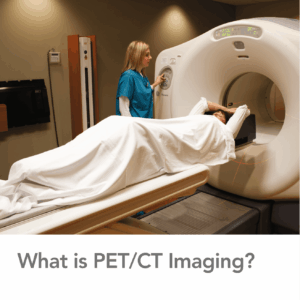
Understand what a PET/CT scan is, how it works, and why PET imaging is essential for accurate diagnosis and treatment planning
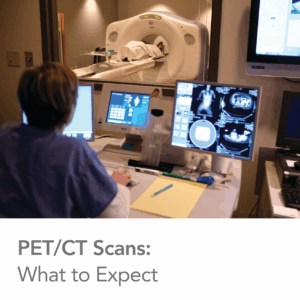
Learn what to expect before, during, and after a PET/CT scan, how to prepare, and why PET imaging is an essential diagnostic tool.

Looking for an affordable PET scan? PET Imaging offers high‑quality PET/CT scans, fast scheduling, and patient‑focused outpatient care. Learn why patients choose PET Imaging.

Many patients feel anxious before imaging appointments, especially if they are unfamiliar with the process. Knowing what to expect can help ease concerns and make the experience smoother.
Medical imaging plays a critical role in diagnosis and treatment planning, but not all scans provide the same information. CT and MRI scans focus on the structure of the body, while PET imaging shows how tissues and organs are functioning at a cellular level.
When your doctor orders a PET scan, it’s natural to have questions. PET imaging plays an important role in helping your care team better understand what’s happening inside your body—so they can make informed decisions about your care.

Pancreatic cancer has long been one of the most challenging cancers to treat, but advances in research, treatment, and advocacy are providing new hope. This Pancreatic Cancer Awareness Month, let’s focus on the importance of innovative treatment options and how we can support ongoing research for better patient outcomes.

November is Pancreatic Cancer Awareness Month, a time to shine a light on one of the deadliest cancers that, despite its severity, receives limited attention. Pancreatic cancer is challenging to diagnose early, spreads quickly, and has a low survival rate. However, awareness and understanding can help in early detection and support ongoing research to improve outcomes.

As we honor National Cancer Prevention Month, it is important to know the factors that can contribute to the development of cancer. Lifestyle choices, environmental influences, genetics, and other variables can increase your risk of cancer. Understanding risk factors is critical to help prevent cancer.

Prevention is critical when it comes to Cervical cancer. By adopting healthy lifestyle choices and taking advantage of available vaccinations, women can significantly reduce their risk of developing this disease. In this blog post, we will explore the importance of lifestyle choices and vaccination in cervical cancer prevention.
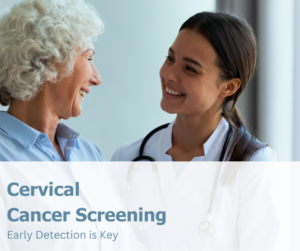
January is Cervical Cancer Awareness Month. Cervical cancer screening is a vital tool in the early detection and prevention of cervical cancer. Regular screenings can identify abnormalities in the cervix before they develop into cancerous cells. In this blog post, we will discuss the importance of cervical cancer screening and the guidelines to follow.
Medical imaging plays a crucial role in the diagnosis and management of various health conditions, and the Cerianna PET/CT scan is a notable advancement in this field. If you’re considering or have been recommended for a Cerianna PET/CT scan, you likely have questions. We address three key questions about Cerianna PET/CT scans to provide clarity and ease any concerns you may have.
As family travels from near and far to be together during the holiday season, it’s an opportune time for you to not only cherish the time with your loved ones, but also gain a deeper understanding of your family’s health history. Take the time to have important conversations about family health history. Discussing your family’s health background doesn’t have to overshadow the festive atmosphere, however, it can be a valuable way to understand potential health issues that may be hereditary, allowing you to proactively address them with your healthcare provider.

Although one of the deadliest forms of cancer, pancreatic cancer is also one of the most difficult cancers to detect in its early stages. Oftentimes, symptoms are not present until the cancer has become very large or spread to other organs. To prevent this disease, it’s important to understand how it develops and some of the risk factors of pancreatic cancer.

November is Lung Cancer Awareness Month. Lung cancer doesn’t discriminate; it affects both smokers and non-smokers, emphasizing the importance of awareness and education no matter your lifestyle. With a disease prevalent among millions worldwide, there are steps you take now to reduce your risk. Check out these three key facts about lung cancer. Keep them in mind this month and evaluate your lifestyle and health. Is it time to make some changes this November?
A prostate cancer diagnosis can be overwhelming and scary. You will probably have lots of questions, and wonder where to even begin. Be open with your doctor with your questions and concerns. Here’s a guide you can follow to gain understanding of what to expect.
We are pleased to announce PET Imaging of Tulsa is now accepting United Healthcare Dual Complete® patients.
Thinking about scheduling your prostate cancer screening? One way to test for prostate cancer is a prostate-specific antigen level test, also called a PSA blood test.Here’s common questions surrounding PSA levels and our answers.