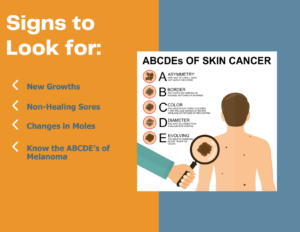
Skin Cancer Prevention and Early Detection
Detecting skin cancer early can make a significant difference in treatment outcomes. Learn more about practical steps for prevention and the vital role of early detection.

Detecting skin cancer early can make a significant difference in treatment outcomes. Learn more about practical steps for prevention and the vital role of early detection.
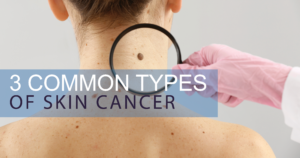
May is Skin Cancer Awareness Month, an annual campaign dedicated to educating the public about the most common form of cancer in the United States. Skin cancer affects millions each year, yet with proper awareness and precautions, it is also one of the most preventable. Learn more about skin cancer, its types, risk factors, and crucial preventive measures.
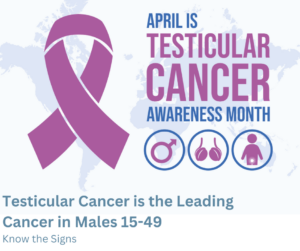
Testicular cancer originates in the testicles, vital organs responsible for sperm and hormone production in men. While comparatively rare, it predominantly affects younger men, with the highest incidence occurring between ages 15 and 35. However, vigilance is essential.
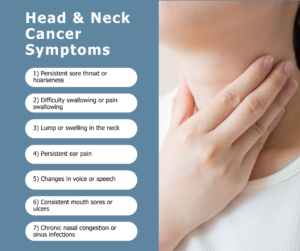
Early detection is crucial for successful treatment and improved outcomes in head and neck cancer. In this blog, we’ll delve into the symptoms of head and neck cancer and the importance of screening for early detection.

Head and neck cancers are a group of malignancies that affect various structures in the head and neck region, including the mouth, throat, larynx, and sinuses. Head and neck cancers account for about 4 percent of cancer cases in the United States. It is estimated that nearly 67,000 people in the United States will be diagnosed with head and neck cancers in 2023. Men are twice as likely to be diagnosed with head and neck cancer compared to women.

Alcohol, often celebrated in various cultures, is also associated with increased risks of several cancers. As we observe Alcohol Awareness Month, it’s crucial to highlight cancers linked to alcohol consumption, emphasizing the importance of moderation and informed decision-making:

Navigating life after colorectal cancer treatment can be challenging, but with the right resources and support, individuals can thrive in this phase.
Colorectal cancer screening is crucial for early detection and improved outcomes. Here’s why it matters and the screening options available:
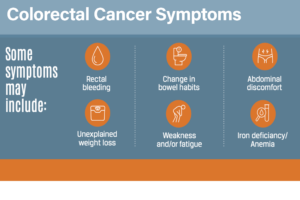
Colorectal cancer is a prevalent and potentially life-threatening disease, but it’s often treatable when detected early. Recognizing the symptoms of colorectal cancer is crucial for prompt diagnosis and intervention. Below are signs and symptoms of colorectal cancer to be aware of, emphasizing the importance of paying attention to your body and seeking medical attention if any concerning symptoms arise.
Lung cancer is a leading cause of cancer deaths worldwide, and its early symptoms are often overlooked or mistaken for less serious conditions. In this post, we’ll discuss what lung cancer is, explore its types, and focus on understanding the symptoms, so individuals can recognize early warning signs.

Family history plays a critical role in understanding your risk of breast cancer. Open discussions with both your family and healthcare provider can provide essential insights that could save lives.
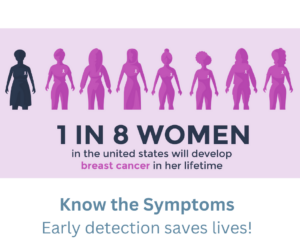
Breast cancer is one of the most common cancers affecting women worldwide. Early detection can significantly improve treatment outcomes, so it’s crucial to be aware of the symptoms and know when to seek medical attention. In this blog, we’ll discuss the key signs and symptoms of breast cancer, helping you stay informed and proactive about your breast health.

Breast cancer can affect anyone, but some individuals are at a higher risk than others. Understanding your risk factors is a critical step in prevention and early detection. In this second part of our Breast Cancer Awareness Month blog series, we’ll dive into the various factors that can increase the likelihood of developing breast cancer.
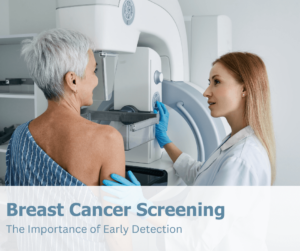
October is Breast Cancer Awareness Month, and there’s no better time to discuss one of the most crucial factors in beating this disease: early detection through screening. Regular screenings can dramatically increase the chances of catching breast cancer in its early stages when it’s most treatable.
September is a pivotal month in cancer awareness, shining a spotlight on leukemia and lymphoma. We are dedicated to providing education, support, and cutting-edge treatments to those affected by these blood cancers. Let’s explore the essentials of leukemia and lymphoma, their symptoms, and the importance of early detection and treatment.

Ovarian cancer begins in the ovaries, the reproductive glands that produce eggs. It is the fifth most common cancer among women and the deadliest of the gynecologic cancers. One of the challenges with ovarian cancer is that it is often diagnosed at an advanced stage, when it is harder to treat effectively.

September is Gynecologic Cancer Awareness Month, a time dedicated to raising awareness about the five main types of gynecologic cancers: cervical, ovarian, uterine, vaginal, and vulvar. These cancers affect the reproductive organs and can have a profound impact on women’s health. At PET Imaging, we are committed to educating women about these cancers, promoting early detection, and providing comprehensive care for those affected.
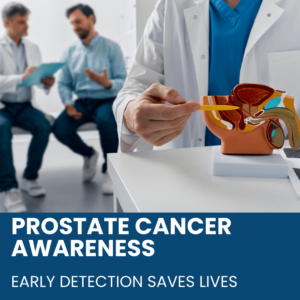
Prostate cancer is a significant health concern, being the most commonly diagnosed cancer among men, second only to skin cancer. It originates in the prostate gland, which is responsible for producing seminal fluid that nourishes and transports sperm. While many men live with prostate cancer without experiencing severe symptoms, understanding the disease is crucial for effective management and treatment.

When it comes to prostate cancer, early detection is crucial for effective treatment. One of the most advanced tools available for identifying prostate cancer is the PET/CT scan with a PSMA tracer. This innovative imaging technique is making a significant difference in how prostate cancer is diagnosed and managed.