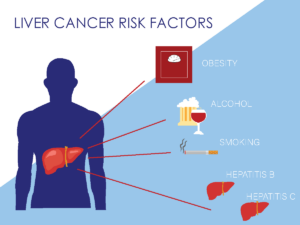
Liver Cancer Awareness Month: What Are the Risk Factors?
October is Liver Cancer Awareness Month. Understanding the function of your liver and how to keep it healthy can help prevent cancer.

October is Liver Cancer Awareness Month. Understanding the function of your liver and how to keep it healthy can help prevent cancer.

October is Breast Cancer Awareness month. One in 8 women will be diagnosed with breast cancer in her lifetime according to the National Breast Cancer Foundation. This month is a good time to encourage routine care and testing to detect early breast cancer.

Our breast imaging service is now offering Cerianna (fluoroestradiol F 18) PET/CT Scans, an enhanced, non-invasive, way to accurately detect estrogen-receptor (ER) positive breast cancer, one of the most common forms of breast cancer.
Gynecological cancers encompass all cancers in the female reproductive system. All women are at risk of developing these cancers, which increase with age and can vary depending on the cancer type. According to the Foundation of Women’s Cancer, ovarian cancer is the seventh most common cancer type among women worldwide.

As you prepare to send your kids back to school, the to-do lists and back-to-school shopping start to pile up. It’s no surprise sun protection slips down the list of priorities as you move away from outdoor activities and focus on classroom needs.

Whether you’re switching up your diet as part of a lifestyle change, or you’re about to start cancer treatment and are looking for foods to keep you strong, knowing your goals and having a plan to follow will make it easier to stick to your plan.
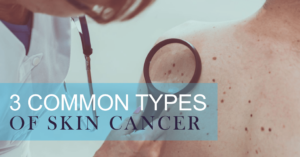
Each year, there are 3.5 million cases of skin cancer diagnosed in the United States. As the most common cancer type, it is important to perform regular self-checks to catch any suspicious spots early. If caught soon enough, the treatment success increases significantly.
Bone cancer can be found in any bone of the body and has the potential to spread. Typically, bone cancer develops in the pelvis or the long bones, such as the legs and arms. Although it is less common than other cancer types, it’s good to be proactive and understand the different kinds of bone cancer, who’s at risk and the symptoms associated.

An over-sedentary lifestyle such as sitting, reclining, or lying down for extended periods of time (other than sleeping) increases the risk of developing chronic conditions and can lead to premature death. According to the National Cancer Institute, physical activity reduces the risk of cancer in these ways:
Lung cancer is a leading cause of cancer deaths worldwide, and its early symptoms are often overlooked or mistaken for less serious conditions. In this post, we’ll discuss what lung cancer is, explore its types, and focus on understanding the symptoms, so individuals can recognize early warning signs.

Family history plays a critical role in understanding your risk of breast cancer. Open discussions with both your family and healthcare provider can provide essential insights that could save lives.
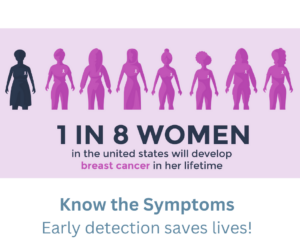
Breast cancer is one of the most common cancers affecting women worldwide. Early detection can significantly improve treatment outcomes, so it’s crucial to be aware of the symptoms and know when to seek medical attention. In this blog, we’ll discuss the key signs and symptoms of breast cancer, helping you stay informed and proactive about your breast health.

Breast cancer can affect anyone, but some individuals are at a higher risk than others. Understanding your risk factors is a critical step in prevention and early detection. In this second part of our Breast Cancer Awareness Month blog series, we’ll dive into the various factors that can increase the likelihood of developing breast cancer.
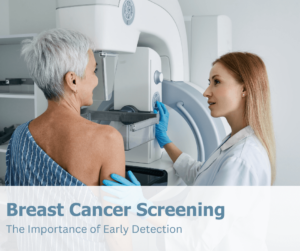
October is Breast Cancer Awareness Month, and there’s no better time to discuss one of the most crucial factors in beating this disease: early detection through screening. Regular screenings can dramatically increase the chances of catching breast cancer in its early stages when it’s most treatable.
September is a pivotal month in cancer awareness, shining a spotlight on leukemia and lymphoma. We are dedicated to providing education, support, and cutting-edge treatments to those affected by these blood cancers. Let’s explore the essentials of leukemia and lymphoma, their symptoms, and the importance of early detection and treatment.
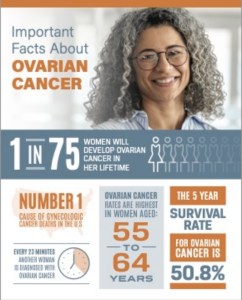
Ovarian cancer begins in the ovaries, the reproductive glands that produce eggs. It is the fifth most common cancer among women and the deadliest of the gynecologic cancers. One of the challenges with ovarian cancer is that it is often diagnosed at an advanced stage, when it is harder to treat effectively.
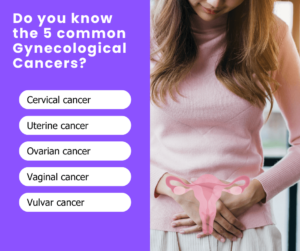
September is Gynecologic Cancer Awareness Month, a time dedicated to raising awareness about the five main types of gynecologic cancers: cervical, ovarian, uterine, vaginal, and vulvar. These cancers affect the reproductive organs and can have a profound impact on women’s health. At PET Imaging, we are committed to educating women about these cancers, promoting early detection, and providing comprehensive care for those affected.
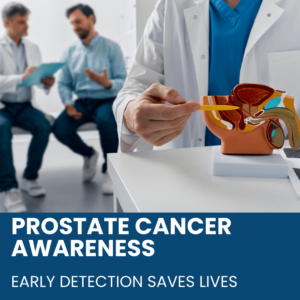
Prostate cancer is a significant health concern, being the most commonly diagnosed cancer among men, second only to skin cancer. It originates in the prostate gland, which is responsible for producing seminal fluid that nourishes and transports sperm. While many men live with prostate cancer without experiencing severe symptoms, understanding the disease is crucial for effective management and treatment.

When it comes to prostate cancer, early detection is crucial for effective treatment. One of the most advanced tools available for identifying prostate cancer is the PET/CT scan with a PSMA tracer. This innovative imaging technique is making a significant difference in how prostate cancer is diagnosed and managed.