
PSMA PET Imaging: Advanced Detection for Prostate Cancer
Learn how PSMA PET imaging improves prostate cancer detection and treatment planning.

Learn how PSMA PET imaging improves prostate cancer detection and treatment planning.
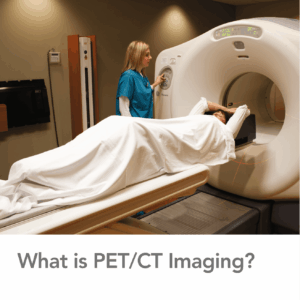
Understand what a PET/CT scan is, how it works, and why PET imaging is essential for accurate diagnosis and treatment planning
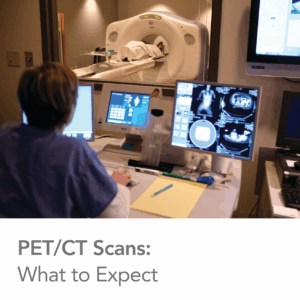
Learn what to expect before, during, and after a PET/CT scan, how to prepare, and why PET imaging is an essential diagnostic tool.

Looking for an affordable PET scan? PET Imaging offers high‑quality PET/CT scans, fast scheduling, and patient‑focused outpatient care. Learn why patients choose PET Imaging.

Many patients feel anxious before imaging appointments, especially if they are unfamiliar with the process. Knowing what to expect can help ease concerns and make the experience smoother.
Medical imaging plays a critical role in diagnosis and treatment planning, but not all scans provide the same information. CT and MRI scans focus on the structure of the body, while PET imaging shows how tissues and organs are functioning at a cellular level.
When your doctor orders a PET scan, it’s natural to have questions. PET imaging plays an important role in helping your care team better understand what’s happening inside your body—so they can make informed decisions about your care.

Pancreatic cancer has long been one of the most challenging cancers to treat, but advances in research, treatment, and advocacy are providing new hope. This Pancreatic Cancer Awareness Month, let’s focus on the importance of innovative treatment options and how we can support ongoing research for better patient outcomes.

November is Pancreatic Cancer Awareness Month, a time to shine a light on one of the deadliest cancers that, despite its severity, receives limited attention. Pancreatic cancer is challenging to diagnose early, spreads quickly, and has a low survival rate. However, awareness and understanding can help in early detection and support ongoing research to improve outcomes.

Head and neck cancers are a group of malignancies that affect various structures in the head and neck region, including the mouth, throat, larynx, and sinuses. Head and neck cancers account for about 4 percent of cancer cases in the United States. It is estimated that nearly 67,000 people in the United States will be diagnosed with head and neck cancers in 2023. Men are twice as likely to be diagnosed with head and neck cancer compared to women.

Alcohol, often celebrated in various cultures, is also associated with increased risks of several cancers. As we observe Alcohol Awareness Month, it’s crucial to highlight cancers linked to alcohol consumption, emphasizing the importance of moderation and informed decision-making:

Navigating life after colorectal cancer treatment can be challenging, but with the right resources and support, individuals can thrive in this phase.

Colorectal cancer screening is crucial for early detection and improved outcomes. Here’s why it matters and the screening options available:
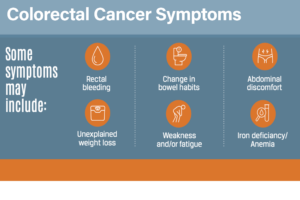
Colorectal cancer is a prevalent and potentially life-threatening disease, but it’s often treatable when detected early. Recognizing the symptoms of colorectal cancer is crucial for prompt diagnosis and intervention. Below are signs and symptoms of colorectal cancer to be aware of, emphasizing the importance of paying attention to your body and seeking medical attention if any concerning symptoms arise.
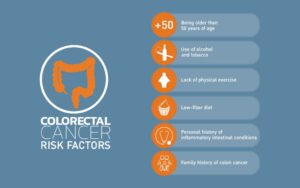
Colorectal cancer, is influenced by genetic, lifestyle, and environmental factors. Understanding its causes and risk factors is key for prevention and early detection.
Colorectal cancer, often referred to as bowel cancer, colon cancer, or rectal cancer, is a type of cancer that affects the colon or rectum. It’s one of the most common forms of cancer worldwide, but with early detection and appropriate treatment, it is highly treatable.
Cancer is a disease that affects millions of people worldwide. Early detection of cancer is crucial for successful treatment and improved patient outcomes. Positron Emission Tomography (PET) imaging has emerged as a valuable tool in the early detection, staging, and monitoring of various types of cancer.

Healthy lifestyle practices can have a significant impact in reducing the risk of cancer. Incorporating healthy habits like focused nutrition, physical activity, staying away from tobacco, and sun safety, you can prevent various types of cancer.

As we commemorate National Cancer Prevention Month, it is crucial to recognize the importance of early detection and screening in the ongoing battle against cancer. Regular screenings for different cancer types can greatly impact timely intervention and treatment outcomes.