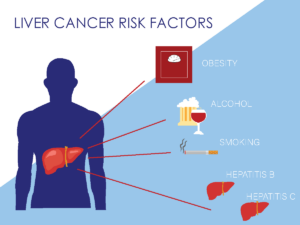
Liver Cancer Awareness Month: What Are the Risk Factors?
October is Liver Cancer Awareness Month. Understanding the function of your liver and how to keep it healthy can help prevent cancer.

October is Liver Cancer Awareness Month. Understanding the function of your liver and how to keep it healthy can help prevent cancer.

October is Breast Cancer Awareness month. One in 8 women will be diagnosed with breast cancer in her lifetime according to the National Breast Cancer Foundation. This month is a good time to encourage routine care and testing to detect early breast cancer.

Our breast imaging service is now offering Cerianna (fluoroestradiol F 18) PET/CT Scans, an enhanced, non-invasive, way to accurately detect estrogen-receptor (ER) positive breast cancer, one of the most common forms of breast cancer.
Gynecological cancers encompass all cancers in the female reproductive system. All women are at risk of developing these cancers, which increase with age and can vary depending on the cancer type. According to the Foundation of Women’s Cancer, ovarian cancer is the seventh most common cancer type among women worldwide.

As you prepare to send your kids back to school, the to-do lists and back-to-school shopping start to pile up. It’s no surprise sun protection slips down the list of priorities as you move away from outdoor activities and focus on classroom needs.

Whether you’re switching up your diet as part of a lifestyle change, or you’re about to start cancer treatment and are looking for foods to keep you strong, knowing your goals and having a plan to follow will make it easier to stick to your plan.
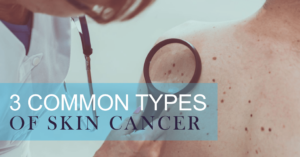
Each year, there are 3.5 million cases of skin cancer diagnosed in the United States. As the most common cancer type, it is important to perform regular self-checks to catch any suspicious spots early. If caught soon enough, the treatment success increases significantly.
Bone cancer can be found in any bone of the body and has the potential to spread. Typically, bone cancer develops in the pelvis or the long bones, such as the legs and arms. Although it is less common than other cancer types, it’s good to be proactive and understand the different kinds of bone cancer, who’s at risk and the symptoms associated.

An over-sedentary lifestyle such as sitting, reclining, or lying down for extended periods of time (other than sleeping) increases the risk of developing chronic conditions and can lead to premature death. According to the National Cancer Institute, physical activity reduces the risk of cancer in these ways:
As we honor National Cancer Prevention Month, it is important to know the factors that can contribute to the development of cancer. Lifestyle choices, environmental influences, genetics, and other variables can increase your risk of cancer. Understanding risk factors is critical to help prevent cancer.
Prevention is critical when it comes to Cervical cancer. By adopting healthy lifestyle choices and taking advantage of available vaccinations, women can significantly reduce their risk of developing this disease. In this blog post, we will explore the importance of lifestyle choices and vaccination in cervical cancer prevention.
January is Cervical Cancer Awareness Month. Cervical cancer screening is a vital tool in the early detection and prevention of cervical cancer. Regular screenings can identify abnormalities in the cervix before they develop into cancerous cells. In this blog post, we will discuss the importance of cervical cancer screening and the guidelines to follow.
Medical imaging plays a crucial role in the diagnosis and management of various health conditions, and the Cerianna PET/CT scan is a notable advancement in this field. If you’re considering or have been recommended for a Cerianna PET/CT scan, you likely have questions. We address three key questions about Cerianna PET/CT scans to provide clarity and ease any concerns you may have.
As family travels from near and far to be together during the holiday season, it’s an opportune time for you to not only cherish the time with your loved ones, but also gain a deeper understanding of your family’s health history. Take the time to have important conversations about family health history. Discussing your family’s health background doesn’t have to overshadow the festive atmosphere, however, it can be a valuable way to understand potential health issues that may be hereditary, allowing you to proactively address them with your healthcare provider.
Although one of the deadliest forms of cancer, pancreatic cancer is also one of the most difficult cancers to detect in its early stages. Oftentimes, symptoms are not present until the cancer has become very large or spread to other organs. To prevent this disease, it’s important to understand how it develops and some of the risk factors of pancreatic cancer.
November is Lung Cancer Awareness Month. Lung cancer doesn’t discriminate; it affects both smokers and non-smokers, emphasizing the importance of awareness and education no matter your lifestyle. With a disease prevalent among millions worldwide, there are steps you take now to reduce your risk. Check out these three key facts about lung cancer. Keep them in mind this month and evaluate your lifestyle and health. Is it time to make some changes this November?
A prostate cancer diagnosis can be overwhelming and scary. You will probably have lots of questions, and wonder where to even begin. Be open with your doctor with your questions and concerns. Here’s a guide you can follow to gain understanding of what to expect.
We are pleased to announce PET Imaging of Tulsa is now accepting United Healthcare Dual Complete® patients.
Thinking about scheduling your prostate cancer screening? One way to test for prostate cancer is a prostate-specific antigen level test, also called a PSA blood test.Here’s common questions surrounding PSA levels and our answers.