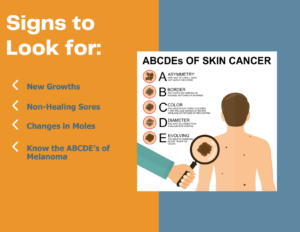
Skin Cancer Prevention and Early Detection
Detecting skin cancer early can make a significant difference in treatment outcomes. Learn more about practical steps for prevention and the vital role of early detection.

Detecting skin cancer early can make a significant difference in treatment outcomes. Learn more about practical steps for prevention and the vital role of early detection.
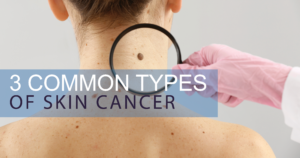
May is Skin Cancer Awareness Month, an annual campaign dedicated to educating the public about the most common form of cancer in the United States. Skin cancer affects millions each year, yet with proper awareness and precautions, it is also one of the most preventable. Learn more about skin cancer, its types, risk factors, and crucial preventive measures.
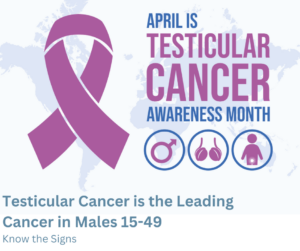
Testicular cancer originates in the testicles, vital organs responsible for sperm and hormone production in men. While comparatively rare, it predominantly affects younger men, with the highest incidence occurring between ages 15 and 35. However, vigilance is essential.
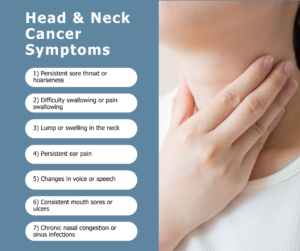
Early detection is crucial for successful treatment and improved outcomes in head and neck cancer. In this blog, we’ll delve into the symptoms of head and neck cancer and the importance of screening for early detection.
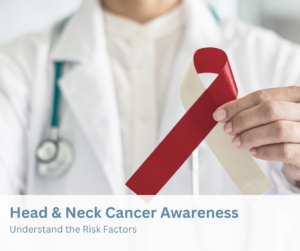
Head and neck cancers are a group of malignancies that affect various structures in the head and neck region, including the mouth, throat, larynx, and sinuses. Head and neck cancers account for about 4 percent of cancer cases in the United States. It is estimated that nearly 67,000 people in the United States will be diagnosed with head and neck cancers in 2023. Men are twice as likely to be diagnosed with head and neck cancer compared to women.
Alcohol, often celebrated in various cultures, is also associated with increased risks of several cancers. As we observe Alcohol Awareness Month, it’s crucial to highlight cancers linked to alcohol consumption, emphasizing the importance of moderation and informed decision-making:

Navigating life after colorectal cancer treatment can be challenging, but with the right resources and support, individuals can thrive in this phase.

Colorectal cancer screening is crucial for early detection and improved outcomes. Here’s why it matters and the screening options available:
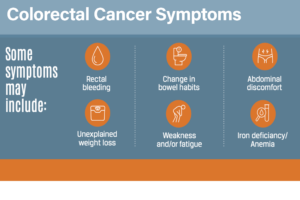
Colorectal cancer is a prevalent and potentially life-threatening disease, but it’s often treatable when detected early. Recognizing the symptoms of colorectal cancer is crucial for prompt diagnosis and intervention. Below are signs and symptoms of colorectal cancer to be aware of, emphasizing the importance of paying attention to your body and seeking medical attention if any concerning symptoms arise.

Skin cancer is a condition characterized by the abnormal growth of skin cells, often caused by excessive exposure to ultraviolet (UV) radiation from the sun or artificial sources like tanning beds. There are different types of skin cancer, including melanoma, basal cell carcinoma, and squamous cell carcinoma.
June is Men’s Health Month, a time dedicated to raising awareness about various health issues that impact men. One common condition that affects a large number of men, particularly as they age, is benign prostatic hyperplasia (BPH).
Melanoma skin cancer is a type of cancer that affects the melanocytes, the cells that produce pigment in the skin. It is the deadliest form of skin cancer, but it is also one of the most preventable and treatable if detected early.
Sleep is an essential aspect of our lives that is often overlooked. While we sleep, our body and mind recharge, and we wake up feeling refreshed and ready to tackle the day. However, lack of sleep can have a profound impact on our mental health, affecting our mood, emotions, and cognitive function. We will explore the relationship between sleep and mental health and the impact of sleep deprivation on our mental well-being.
Cancer is a disease that affects millions of people worldwide, and while there are many factors that contribute to cancer, there are also many preventative measures that women can take to reduce their risk. This Women’s Health Week, we will explore some of the best practices women can follow to lessen their chance of developing cancer.
Head and neck cancer is a term used to describe a variety of cancers that occur in the head and neck region. This includes the oral cavity, pharynx, larynx, salivary glands, nasal cavity, and sinuses. The most common type of head and neck cancer is squamous cell carcinoma, which accounts for more than 90% of cases. This blog will guide you through the symptoms of head and neck cancer, the diagnostic process and treatment options.

Gynecological cancer is any form of cancer that takes place in the female reproductive system. The most common is cervical cancer. Cervical cancer begins in the cells lining the cervix, which connects the uterus to the vagina.
What are your New Year’s resolutions? Odds are, “exercising more” is somewhere on the list. If not, consider adding it. According to the National Cancer Institute, there is strong evidence linking higher physical activity to lower risk of cancer.
The topic of cancer is often a sensitive subject, as a friend or a loved one, it can be difficult to know the best approach to support your loved one. However, the support of family and friends plays an important role in a cancer patient’s journey, so it’s good to identify an effective approach. Here are some tips from the American Cancer Society on ways to support a loved one through their cancer journey.

If you have been diagnosed with cancer, the holiday season can be a difficult time. What often comes as a stressful time of year, is further escalated with the news of cancer. It can be both physically and emotionally draining. Allow yourself to get in the holiday spirit and enjoy the fullness of the season with these recommendations from the National Cancer Institute, Center for Cancer Research.