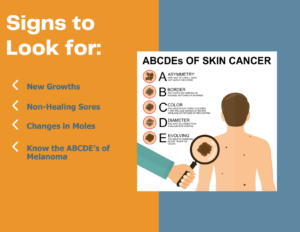
Skin Cancer Prevention and Early Detection
Detecting skin cancer early can make a significant difference in treatment outcomes. Learn more about practical steps for prevention and the vital role of early detection.

Detecting skin cancer early can make a significant difference in treatment outcomes. Learn more about practical steps for prevention and the vital role of early detection.
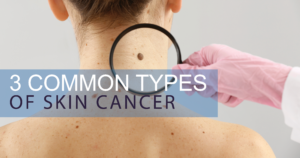
May is Skin Cancer Awareness Month, an annual campaign dedicated to educating the public about the most common form of cancer in the United States. Skin cancer affects millions each year, yet with proper awareness and precautions, it is also one of the most preventable. Learn more about skin cancer, its types, risk factors, and crucial preventive measures.
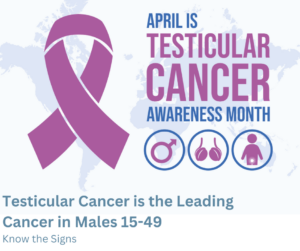
Testicular cancer originates in the testicles, vital organs responsible for sperm and hormone production in men. While comparatively rare, it predominantly affects younger men, with the highest incidence occurring between ages 15 and 35. However, vigilance is essential.
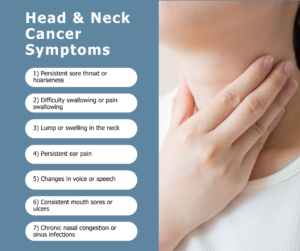
Early detection is crucial for successful treatment and improved outcomes in head and neck cancer. In this blog, we’ll delve into the symptoms of head and neck cancer and the importance of screening for early detection.
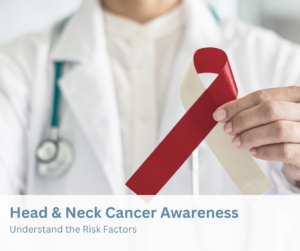
Head and neck cancers are a group of malignancies that affect various structures in the head and neck region, including the mouth, throat, larynx, and sinuses. Head and neck cancers account for about 4 percent of cancer cases in the United States. It is estimated that nearly 67,000 people in the United States will be diagnosed with head and neck cancers in 2023. Men are twice as likely to be diagnosed with head and neck cancer compared to women.
Alcohol, often celebrated in various cultures, is also associated with increased risks of several cancers. As we observe Alcohol Awareness Month, it’s crucial to highlight cancers linked to alcohol consumption, emphasizing the importance of moderation and informed decision-making:

Navigating life after colorectal cancer treatment can be challenging, but with the right resources and support, individuals can thrive in this phase.

Colorectal cancer screening is crucial for early detection and improved outcomes. Here’s why it matters and the screening options available:
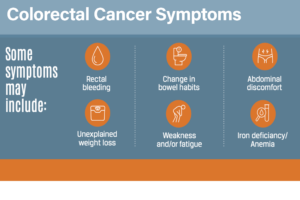
Colorectal cancer is a prevalent and potentially life-threatening disease, but it’s often treatable when detected early. Recognizing the symptoms of colorectal cancer is crucial for prompt diagnosis and intervention. Below are signs and symptoms of colorectal cancer to be aware of, emphasizing the importance of paying attention to your body and seeking medical attention if any concerning symptoms arise.

The benefit of regular screening is to catch cancer before symptoms occur. When caught in its earlier stages, prostate cancer is more treatable.

Holidays can be the most wonderful time of the year, but if you’re trying to stay true to your healthy eating plan, you might start dreading the holiday season, knowing it could be an end to your so-far-successful meal plan. The parties last for weeks, the food seems endless and everyone is splurging, so how do you avoid the pitfall and stick to your meal plan?
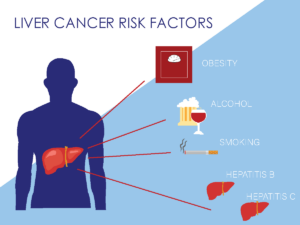
October is Liver Cancer Awareness Month. Understanding the function of your liver and how to keep it healthy can help prevent cancer.

October is Breast Cancer Awareness month. One in 8 women will be diagnosed with breast cancer in her lifetime according to the National Breast Cancer Foundation. This month is a good time to encourage routine care and testing to detect early breast cancer.
Our breast imaging service is now offering Cerianna (fluoroestradiol F 18) PET/CT Scans, an enhanced, non-invasive, way to accurately detect estrogen-receptor (ER) positive breast cancer, one of the most common forms of breast cancer.
Gynecological cancers encompass all cancers in the female reproductive system. All women are at risk of developing these cancers, which increase with age and can vary depending on the cancer type. According to the Foundation of Women’s Cancer, ovarian cancer is the seventh most common cancer type among women worldwide.

As you prepare to send your kids back to school, the to-do lists and back-to-school shopping start to pile up. It’s no surprise sun protection slips down the list of priorities as you move away from outdoor activities and focus on classroom needs.

Whether you’re switching up your diet as part of a lifestyle change, or you’re about to start cancer treatment and are looking for foods to keep you strong, knowing your goals and having a plan to follow will make it easier to stick to your plan.
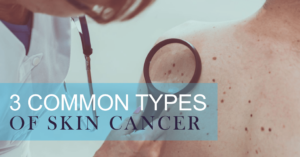
Each year, there are 3.5 million cases of skin cancer diagnosed in the United States. As the most common cancer type, it is important to perform regular self-checks to catch any suspicious spots early. If caught soon enough, the treatment success increases significantly.
Bone cancer can be found in any bone of the body and has the potential to spread. Typically, bone cancer develops in the pelvis or the long bones, such as the legs and arms. Although it is less common than other cancer types, it’s good to be proactive and understand the different kinds of bone cancer, who’s at risk and the symptoms associated.